Introduction
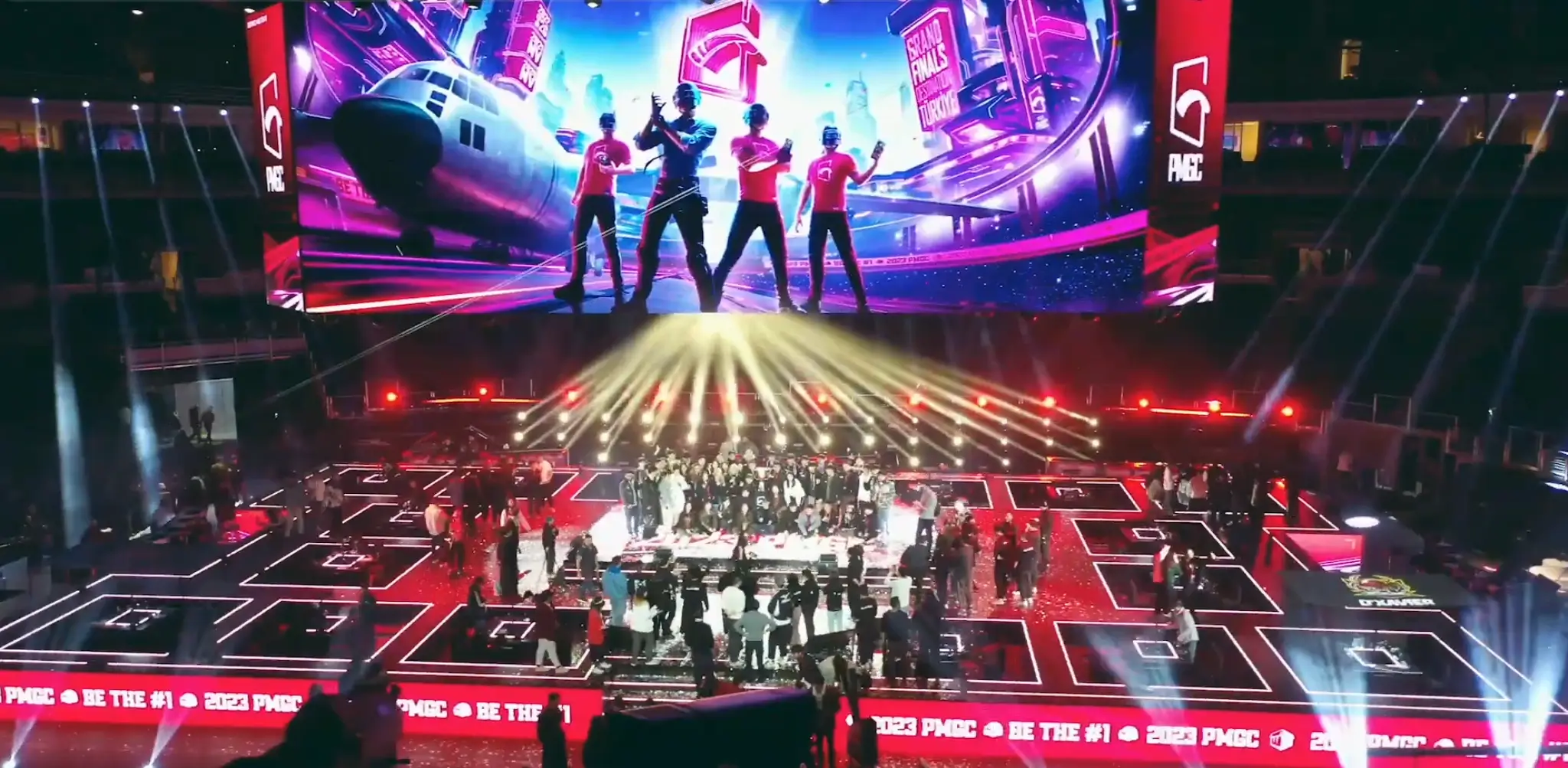
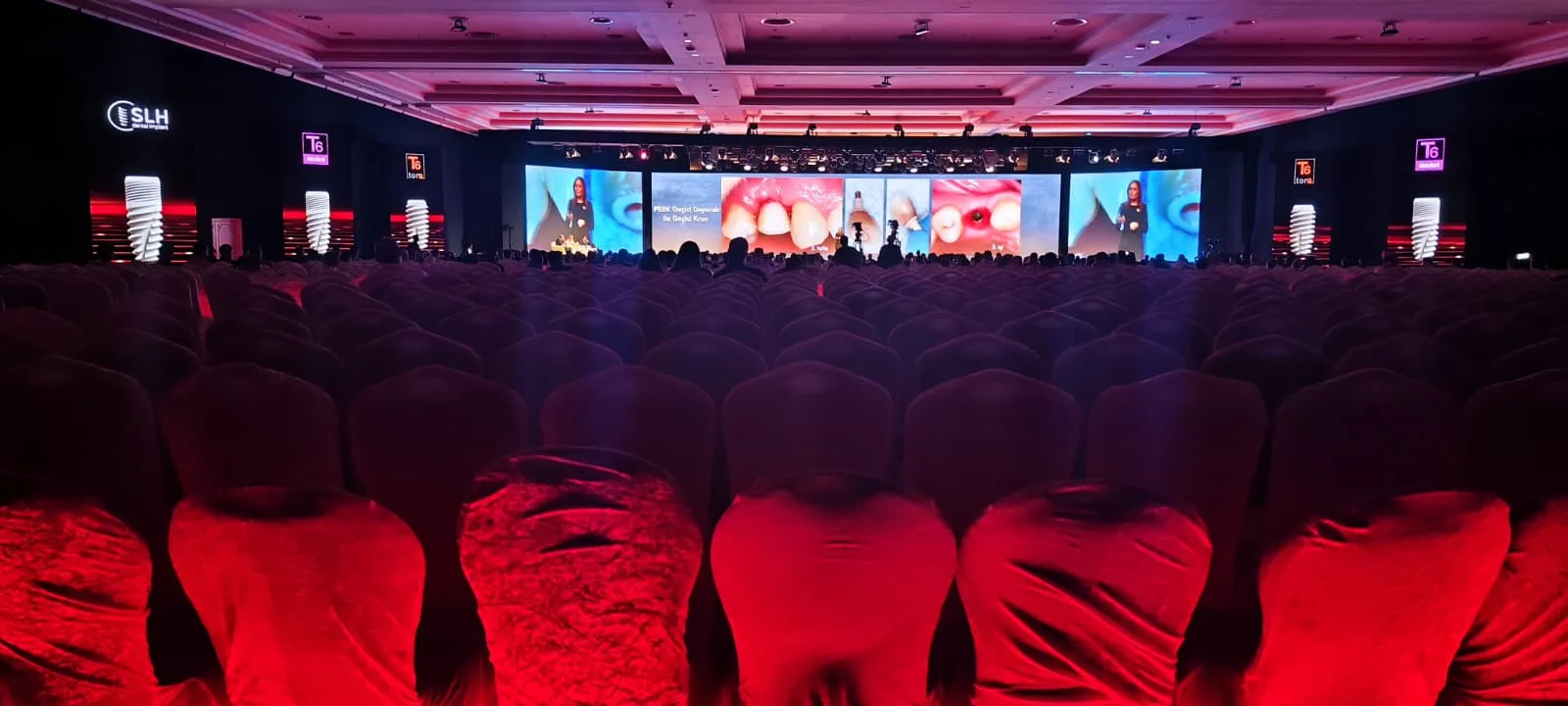
Audio-visual configuration is one of the fundamental pillars of memorable events. A well-planned and integrated combination of sound, lighting, and visual effects enhances the audience experience, sharpens the event's message, and leaves a lasting impression on attendees. No matter how powerful the content, if the technical infrastructure cannot carry it, the intended impact will not be achieved.
When planning an event, stage design, speaker line-up, or guest count often take centre stage. Yet whether the chosen venue is truly fit for purpose from a technical standpoint is frequently assessed only superficially. Technical infrastructure, however, is the invisible but decisive layer of any event.
This is exactly where audio-visual scouting visits come in.
The scouting process is more than simply visiting the venue. It involves the systematic evaluation of many technical elements — from electrical capacity and acoustic properties to rigging points and internet infrastructure. This evaluation allows potential technical risks on event day to be identified in advance.
At Sahneva, our approach is built on not leaving technical production to the setup day. The detailed analysis carried out during the scouting phase ensures accurate budget planning, eliminates unnecessary equipment use, and removes the risk of inadequate systems.
In this guide, we will walk through audio-visual scouting visits step by step and examine in detail how to extract the highest technical performance from a venue.
Section 1: Understanding Your Event's Audio-Visual Requirements
A successful scouting process begins with clearly defining the event's technical requirements. Before moving on to selecting technical equipment, the event's objectives must be well defined — because technical design is in service of the goal.
Define your event objectives
What is the core purpose of your event? To inform, to inspire, to strengthen brand prestige, or to generate sales? Without clear answers to these questions, technical planning remains incomplete.
In a product launch, for example, visual quality and LED screen resolution directly affect brand perception. At a summit where senior executives speak, speech intelligibility and microphone quality become the top priority. At a concert or high-energy motivational event, the power of the sound system and the dynamism of the lighting design define the experience.
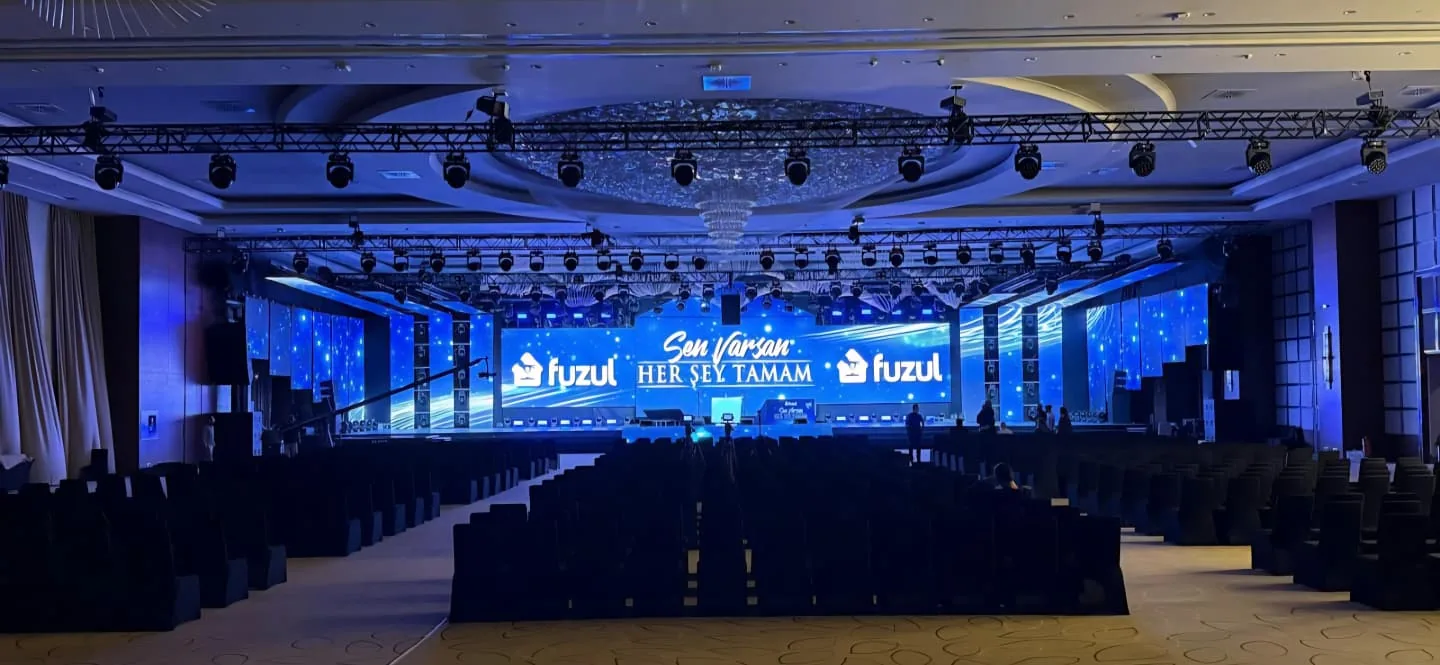
The role of audio-visual elements is not merely supportive; when used correctly, they multiply the impact of an event. For this reason, technical planning must begin with a clear objective.
Evaluate the role of audio-visual resources in achieving your goals
Detailing the event's content and format is the second step in clarifying technical requirements. Will there be a panel discussion, a stage performance, or a hybrid broadcast? Each format demands a different infrastructure.
The types of content to be used are also determining factors. Presentation files, video screenings, live camera feeds, remote connections, or social media integrations all directly affect technical capacity.
Thorough analysis at this stage prevents unnecessary equipment use and ensures the budget is correctly allocated. The goal is not always to build the biggest system, but the system most appropriate for the objective.
The goal is not always to build the biggest system, but the system most appropriate for the objective.
Analyse your audience's needs
The success of a technical design depends on an accurate analysis of the target audience. The profile, expectations, and desired experience of attendees all influence sound, lighting, and video design.
A younger, more dynamic audience may suit a more energetic lighting design, while a formal public event calls for a more controlled and understated visual language. In academic settings, screen readability and audio clarity take priority.
Attendee count is also a determining factor. A small-scale meeting and a large-scale event cannot be managed with the same technical distribution plan. Speaker placement, screen size, and stage height must be planned according to audience density.
Assess participation expectations
Will there be a Q&A session? Will attendees be invited on stage? Will there be remote speakers? Will simultaneous interpretation be required?
These details directly affect microphone selection, intercom systems, camera placement, and broadcast infrastructure. These seemingly minor questions make a significant difference in technical planning.
Define your audio-visual requirements
Once the event's objectives and audience analysis are clear, core technical requirements are determined. Sound system capacity, speaker coverage area, microphone types, LED screen resolution, projection needs, lighting control systems, and where necessary, rigging infrastructure are all planned at this stage.
Technical specifications must also be considered. Elements such as audio output power, speaker distribution, dimmer capacity, LED screen pixel pitch, and multimedia format compatibility all directly affect performance.
Accurate technical analysis significantly reduces the likelihood of surprises on setup day.
Section 2: Preparing for On-Site Scouting Visits
Once the event's technical requirements are clarified, the venues that can meet those requirements must be evaluated. Venue selection is not merely an aesthetic decision; it forms the foundation of technical feasibility.
Searching for the event venue
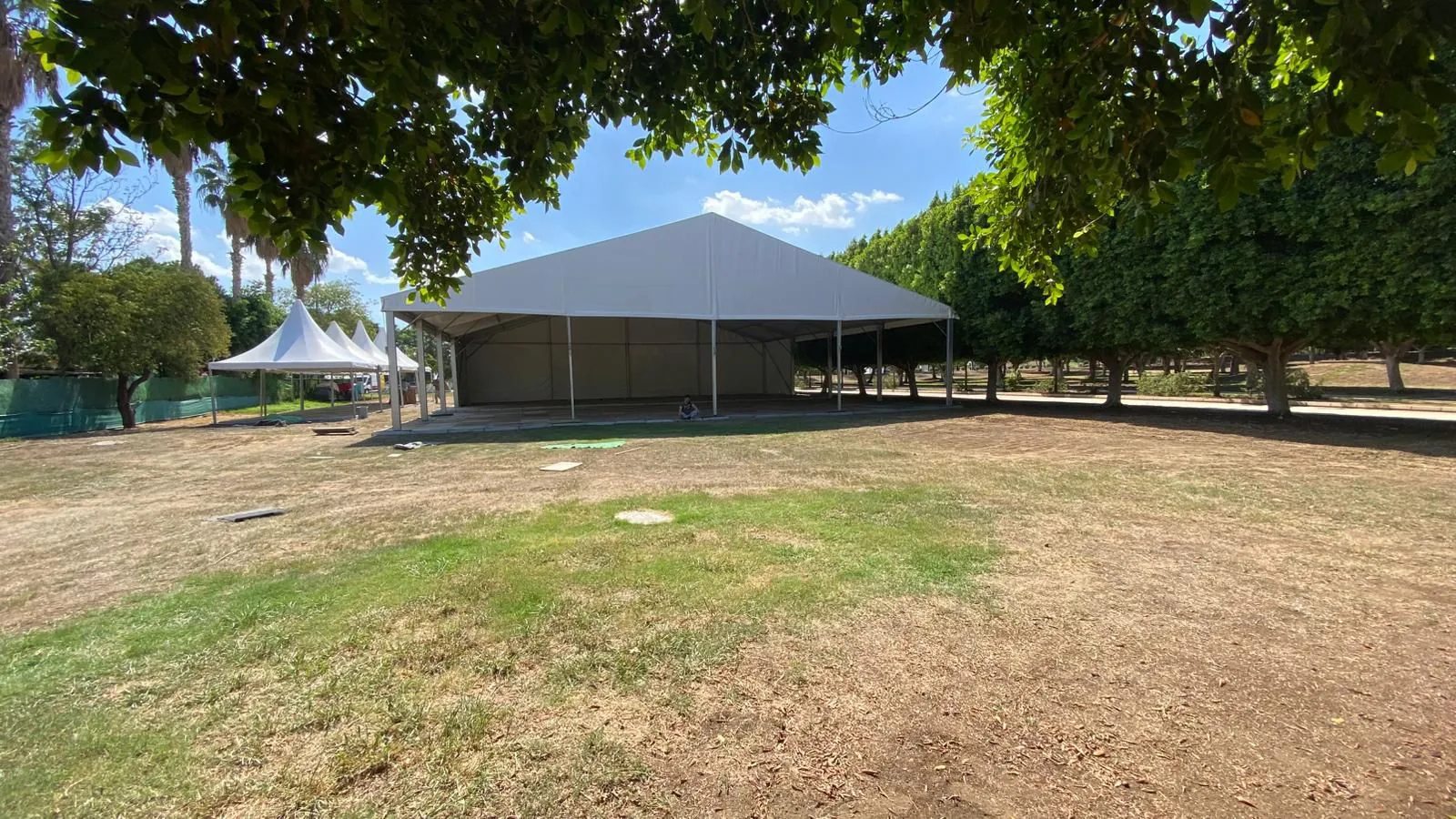
When identifying a suitable venue, physical characteristics such as location, capacity, floor layout, and ceiling height are the primary evaluation criteria. However, the venue's technical history and whether it has hosted similar events are also important.
Large-scale launches require sufficient depth and height for stage setup. Adequate space must be available for LED screen placement, suspension points, and lighting truss systems. For corporate summits, acoustic quality, speech clarity, and sightlines from the seating arrangement take precedence. For festival or concert formats, backstage area, FOH position, and electrical infrastructure become the determining factors.
The architectural character of the venue should also align with the event's theme. A formal public event calls for a plain and controlled atmosphere, whereas experience-driven events may benefit from more flexible spaces.
Evaluate the venue's logistics and services
Technical production does not take place solely on stage; the logistics flow is at least as important as the technical setup. Equipment access routes into the venue, loading and unloading areas, truck docking possibilities, and door widths must all be checked.
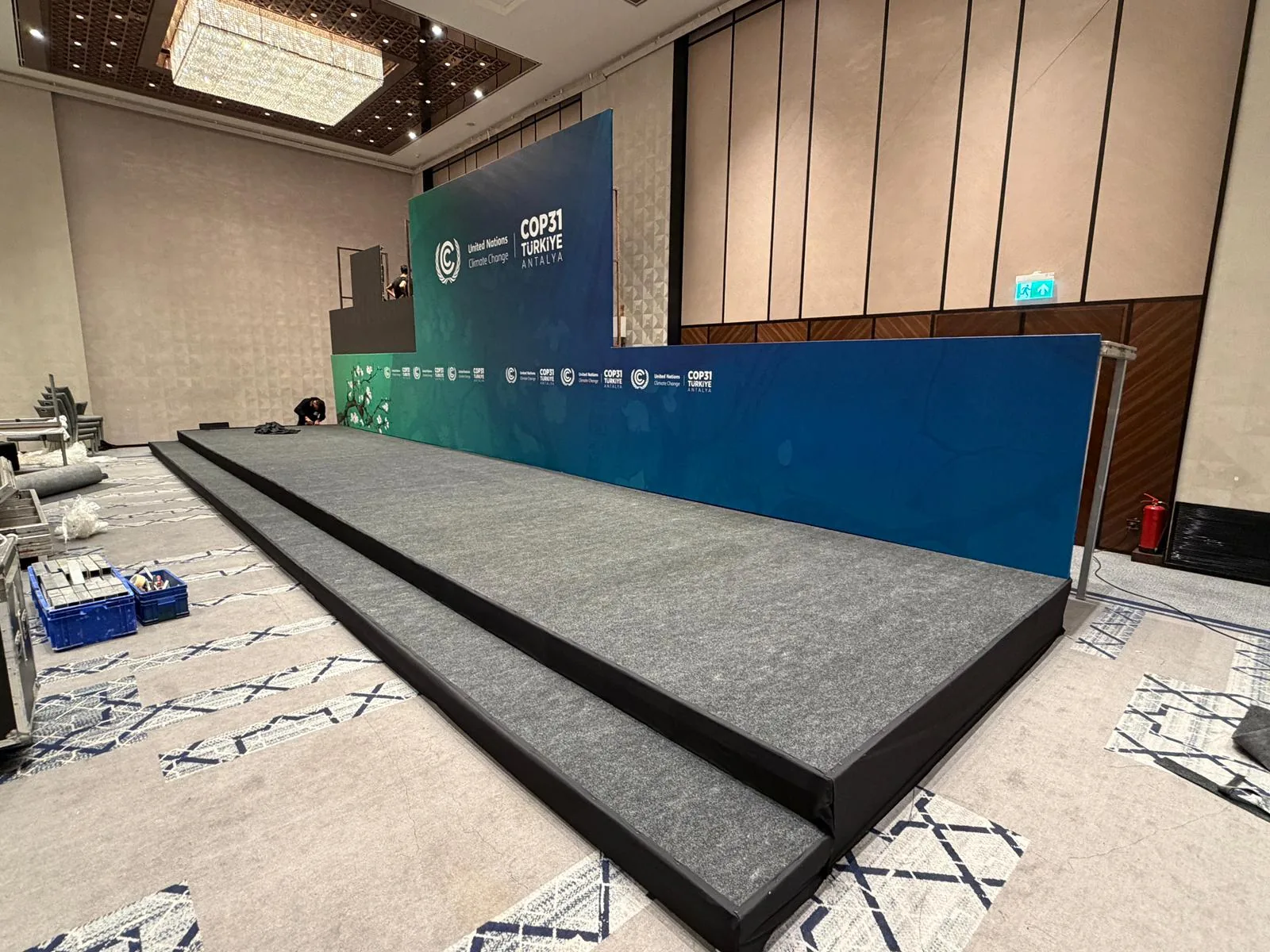
The capacity of freight lifts and accessibility of the venue throughout the setup period also play a critical role in planning. If the time allocated for setup and breakdown is insufficient, technical risk increases.
Electrical infrastructure must be examined in detail. The capacity of the main electrical panel, phase distribution, and number of outlets all directly affect the safe operation of the systems to be installed. The stability and bandwidth of the internet infrastructure is critically important, especially for events involving hybrid or live-streaming components.
The availability of on-site technical support staff should also be assessed. Coordination between the venue's technical team and the production crew ensures the implementation process runs smoothly.
Communication with venue management
For the scouting process to progress smoothly, open and transparent communication with venue management must be established. The event date, estimated number of attendees, event duration, and format should be shared clearly.
The planned technical scope should also be stated in advance. Providing a general overview of the sound system scale, LED screen or projection needs, stage design, lighting setup, and any potential rigging requirements ensures the right information is ready during the scouting visit.
It is recommended to schedule the scouting visit during a time when no other event is taking place at the venue. Technical inspections conducted when the space is empty yield more reliable results in terms of measurement and evaluation.
Having the event coordinator, the venue's technical representative, and the production crew present at the same time during the scouting visit strengthens coordination and prevents misunderstandings.
Section 3: Conducting an Audio-Visual Scouting Visit On-Site
Scouting day is the phase where the planned technical design is compared against real venue conditions. This visit must be conducted in a systematic and disciplined manner.
Evaluating the venue's audio-visual infrastructure
Installed sound systems, lighting equipment, projection devices, and fixed screens at the venue must be examined in detail. The technical capacity and recency of this equipment should be assessed.
Whether the systems are operational should be tested. The existing infrastructure may be adequate for small meetings, but could fall short for large-scale production. Evaluation should therefore be made with the target quality level in mind.
Pricing and cost transparency are also important at this stage. It should be clarified whether the venue's audio-visual equipment is included in the rental fee. It should be confirmed whether the use of an external technical crew is permitted and whether additional charges will apply.
Check power supply, cabling, and existing technology
Electrical capacity is one of the most critical topics of the scouting process. The power of the main electrical line, phase distribution, and earthing system must be checked in detail.
LED screens, moving lighting systems, and powerful audio equipment consume high amounts of energy. Load calculations must therefore be carried out carefully. Generator support should be planned where necessary.
Cable routes must be determined in advance and areas where cables can be laid safely must be checked. Keeping emergency exits clear is a fundamental safety requirement.
The existing network infrastructure and internet bandwidth at the venue should be tested. A stable connection is particularly important for events involving live streaming or remote connections.
Inspecting the acoustics
The acoustic characteristics of a venue directly affect speech clarity and musical performance. Reverberation time, reflection points, and background noise should be analysed.
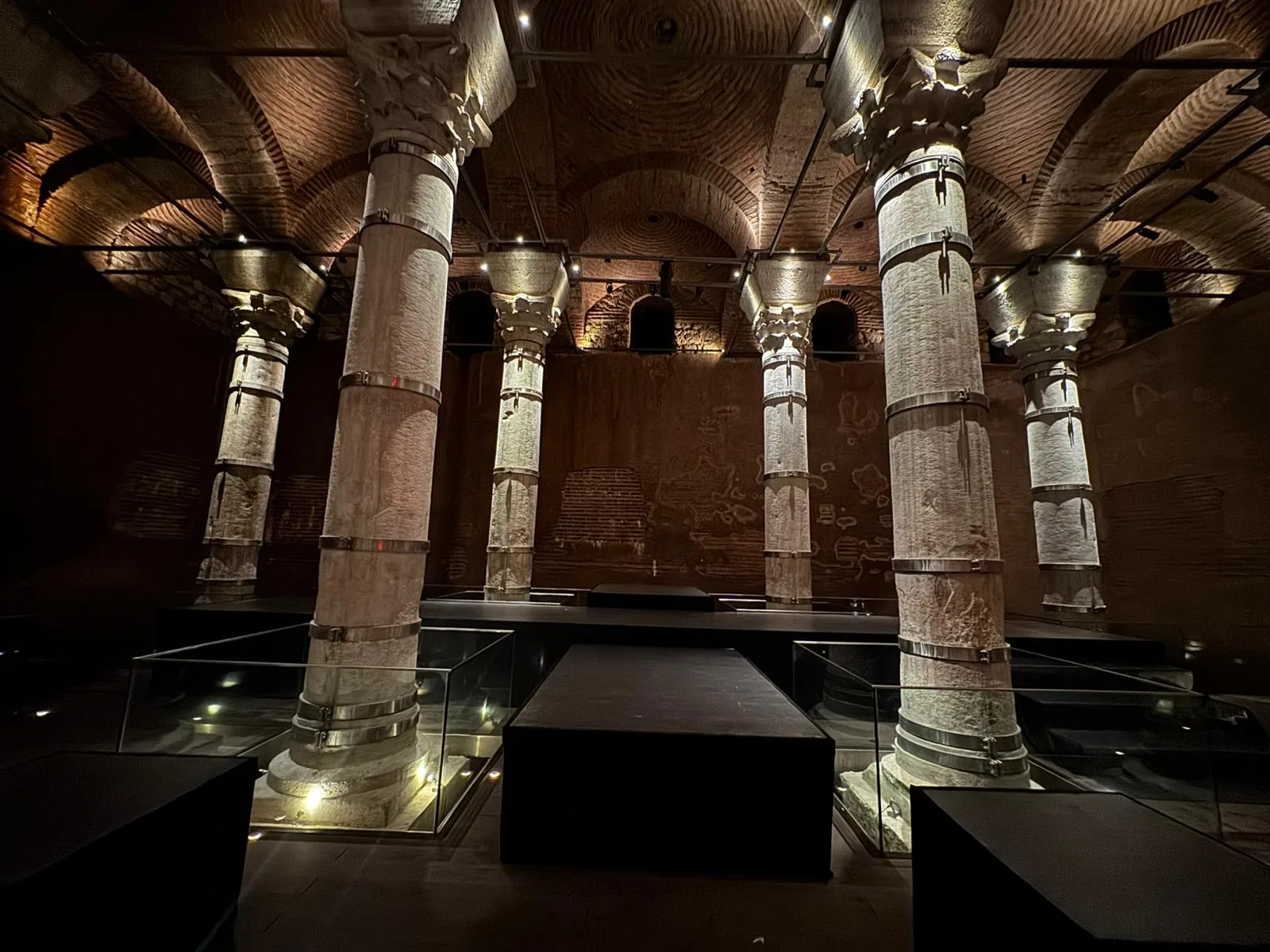
Wall and floor coverings determine sound distribution. Hard surfaces increase reverberation while absorptive materials balance the sound. Constant noise from HVAC systems should also be evaluated.
Some venues may have sound level restrictions. Specific decibel limits may apply at venues close to residential areas. This should be factored in particularly for high-energy events.
Check the sound system
When evaluating the sound system, microphone types, speaker distribution, and overall system performance should be tested. Speech and music should be tried in different scenarios and it should be checked whether balanced coverage is achieved throughout the entire space.
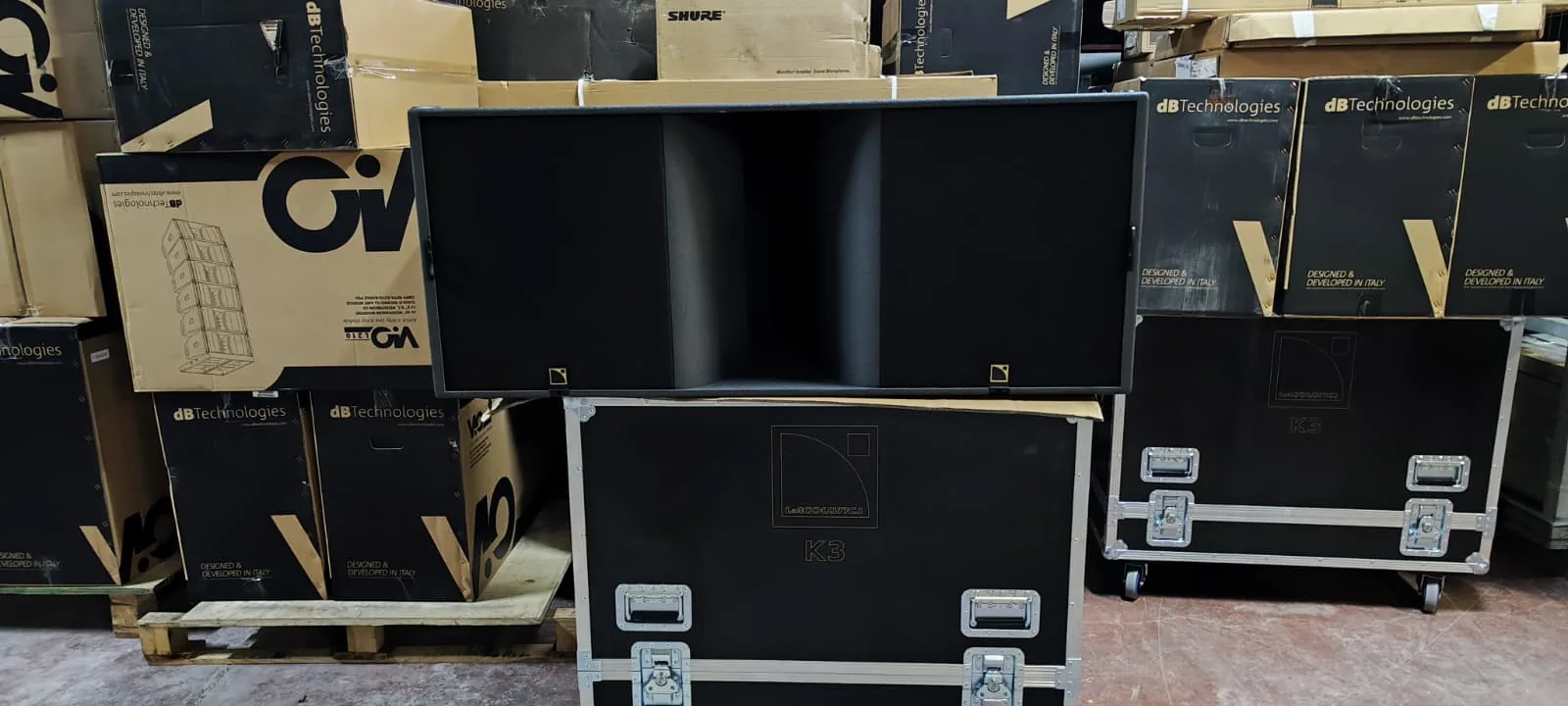
How many microphones are needed, which microphone type will be used, and whether simultaneous interpretation is required are all clarified at this stage. Intercom system requirements and frequency coordination should also be evaluated.
The mixing console capacity, channel count, and output distribution must be appropriate for the event's requirements.
Evaluating audio-visual content and video requirements
Video and visual content is one of the most important elements that amplifies an event's narrative power. The venue's visual infrastructure must therefore be analysed thoroughly. Screen placement, resolution, viewing angles, and content flow should be assessed together.
Whether the venue has fixed screens, whether there is suitable space for an LED screen installation, and whether projection-friendly surfaces are available must be checked. If an LED screen is to be used, pixel pitch, viewing distance, and content resolution must be taken into account. High resolution offers an advantage in smaller spaces, while correct scaling is paramount in larger areas.
When projection is preferred, the amount of natural light, the quality of the screen surface, and the lumen output of the projector must be evaluated. The differences between front projection and rear projection options must be considered.
Stage monitor needs, confidence monitors, and camera placement should also be planned. If multi-camera recording is planned, camera angles and cable routes must be determined in advance. If live streaming is planned, encoder capacity, broadcast infrastructure, and internet upload speed must be tested.
The aspect ratio of screens must be compatible with the content format. Otherwise, image cropping or black-bar issues may arise. Whether the same content or different content will be displayed across multiple screens must also be planned in advance.
Evaluating lighting conditions
Lighting is used not only to make the stage visible, but also to create atmosphere. The natural and artificial lighting conditions of the venue must therefore be analysed.
The amount of natural light the venue receives during the time slot of the event should be assessed. Daylight can affect image quality, particularly when using projection. Whether the windows can be blacked out should be checked.
In the artificial lighting infrastructure, dimmer capacity, control desk options, and the output of existing fixtures should be examined. On stage, it is important that the speaker is clearly visible, that no shadows are cast, and that an appropriate light level is achieved for camera recording.
Colour temperature and lighting design appropriate to the event's theme must be planned. For formal and corporate events, a balanced and understated lighting language is preferred, while more dynamic solutions can be applied for creative events.
Rigging and suspension systems
Some events require lights, speakers, or LED screens to be flown from the ceiling. In such cases, the rigging infrastructure must be checked in detail.
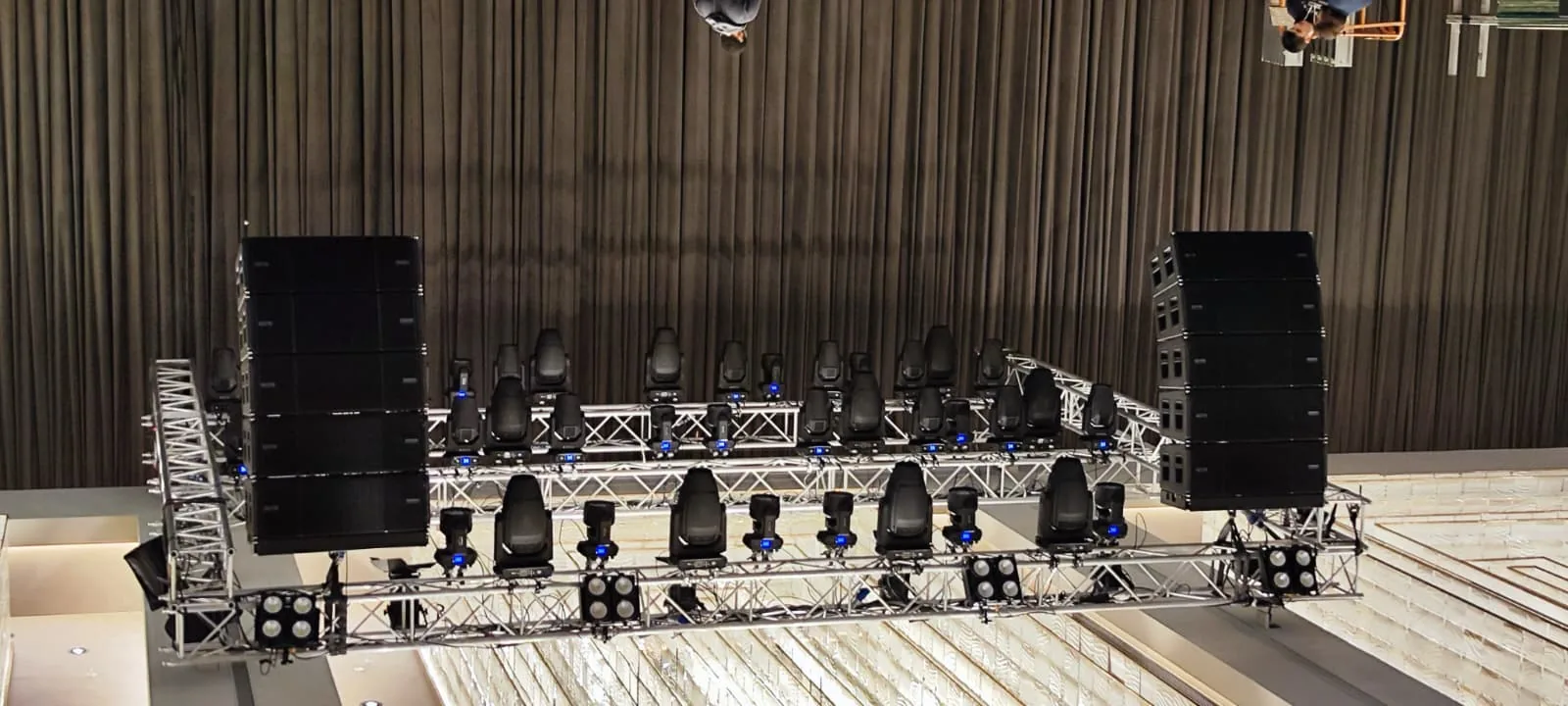
The load capacity and positioning of suspension points must be inspected. The maximum load capacity specified in the venue's technical documentation must be observed. Engineering calculations must be carried out where necessary.
Lifting equipment, motorised chain hoists, and safety locks must be checked. Whether the suspension systems are certified and whether they have previously been used in heavy productions should be evaluated.
Safety is the top priority in rigging operations. Incorrectly calculated load distribution creates serious risks for both equipment and attendee safety. It is therefore essential that truss and rigging planning is carried out by a specialist technical team.
Safety is the top priority in rigging operations.
Section 4: Documentation and Strategic Decision-Making
Once the scouting process is complete, all technical data obtained must be recorded systematically. Field observations should be documented in writing and measurements and technical capacities should be filed.
The brand and model of installed systems, electrical panel capacity, internet infrastructure, suspension point details, and acoustic observations should be filed. This documentation forms the foundation of technical planning.
Whether the existing infrastructure meets the event's requirements must be assessed. Shortfalls should be identified and any additional components required should be planned. Needs such as additional speakers, delay towers, higher-resolution LED screens, generator support, or a backup internet line are clarified at this stage.
The venue contract must be reviewed from a technical perspective. Whether the use of an external technical crew is permitted, whether an additional fee is charged for supplementary equipment installation, and whether there is an extra charge for electricity consumption must all be checked. Setup and breakdown times must be clearly specified in the contract.
The venue contract must be reviewed from a technical perspective.
Some venues may have sound level restrictions or specific technical limitations. Knowing these clauses in advance ensures that planning is carried out correctly.
In the final decision phase, quality, time, and budget must be evaluated together. The optimum solution is determined by analysing the relationship between technical requirements and cost.
Professional technical consultancy provides a significant advantage in this process. Expert teams identify risks in advance, develop alternative solutions, and minimise disruptions that may occur during implementation.
Standardise your technical scouting plan with your team
A practical checklist document makes it far easier to consistently evaluate the same topics at every venue during the scouting process. The PDF checklist brings together electrical infrastructure, acoustics, video-lighting plan, rigging safety, and logistics preparation items in a single flow. This speeds up communication between teams during the quotation, setup, and implementation phases, and reduces the risk of critical details being missed.
Conclusion
The audio-visual scouting process forms the technical foundation of a successful event. A setup process begun without proper analysis can lead to unwanted surprises on event day.
Thoroughly examining the venue's infrastructure, analysing electrical and acoustic conditions, correctly planning video and lighting possibilities, and systematically documenting all data are indispensable steps of a strong production.
At Sahneva, we handle stage, LED screen, sound, lighting, rigging, and live streaming infrastructure with a disciplined process from the planning phase onwards. We regard scouting visits not merely as preliminary inspections, but as a technical assurance process.
Proper scouting is the foundation of a strong production.
To eliminate technical risks at your next event, contact Sahneva specialists now and schedule a free site survey.