This Article's Route
1) The Beginning: Addressing a Crowd
The oldest form of the stage was not a "performance area" but a speaking area. People want two things in front of a crowd: to be seen and to be heard. A platform rising from the ground answers both these needs at once.
That is why the stage is always conceived as an "elevated" space from the very beginning. Height is not only physical but also symbolic: it carries the speaker's words to the "centre."
2) Ancient Greece: The Birth of Theatre and Acoustics
Ancient Greek theatres are a turning point in stage history. This period is one of the first great eras in which the stage was designed not just for speech but for performance.
Semi-circular seating arrangement, use of sloped terrain and the audience's clear view of the stage… Even today, when "sightlines" are discussed in concert venues, the root of that concept extends to the ancient theatre logic.
3) Rome: Forum, Performance and Power
With Rome, the idea of the stage splits into two branches: public speaking platforms and performance venues. Elevated speaking areas in the forums are not just practical; they are also a political image.
Roman arenas and amphitheatres strengthen the "crowd management" side of the stage: entry-exit arrangements, area control and guiding the crowd.
4) The Middle Ages: Town Squares and Travelling Shows
In the Middle Ages, the stage becomes mostly temporary structures erected in city squares. Merchant caravans, travelling theatres, religious-themed performances… The stage ceases to be a fixed structure; it is assembled and dismantled.
Today's "installation" culture (modular pieces, portable systems) actually overlaps with the logic of this period: the stage is transported wherever the event is.
5) The Renaissance: The Stage Becomes a "Space"
With the Renaissance, the stage acquires an architectural identity. The perspective concept, set design and the relationship of the stage with the audience are consciously crafted. The stage is no longer just a platform; it is a "world."
6) Opera Houses: Stage Engineering Begins
Opera houses transform the stage into a technical structure: under-stage mechanisms, set change systems, curtain arrangements… The stage begins to be thought of as a "machine" working behind the curtain.
This era is the ancestor of many concepts we use today: directing light, visual composition, stage-backdrop separation and creating "focus" for the audience.
7) Electricity and Light: The Language of the Stage Changes
With the spread of electric light, the stage acquires a new language. Light is no longer just "illumination"; it is part of the narrative. The stage becomes a visual composition that guides the audience's eyes.
8) The 20th Century: Touring Culture and the Portable Stage
The 20th century is another breaking point in stage history: tours. An artist travelling from city to city means the stage travels with them. This need gives birth to modular systems and standard parts.
The load-bearing systems we call "truss" today are the product of this industry that developed to safely carry the stage's load (lighting, sound, visual elements).
9) Today: The Stage Is a System
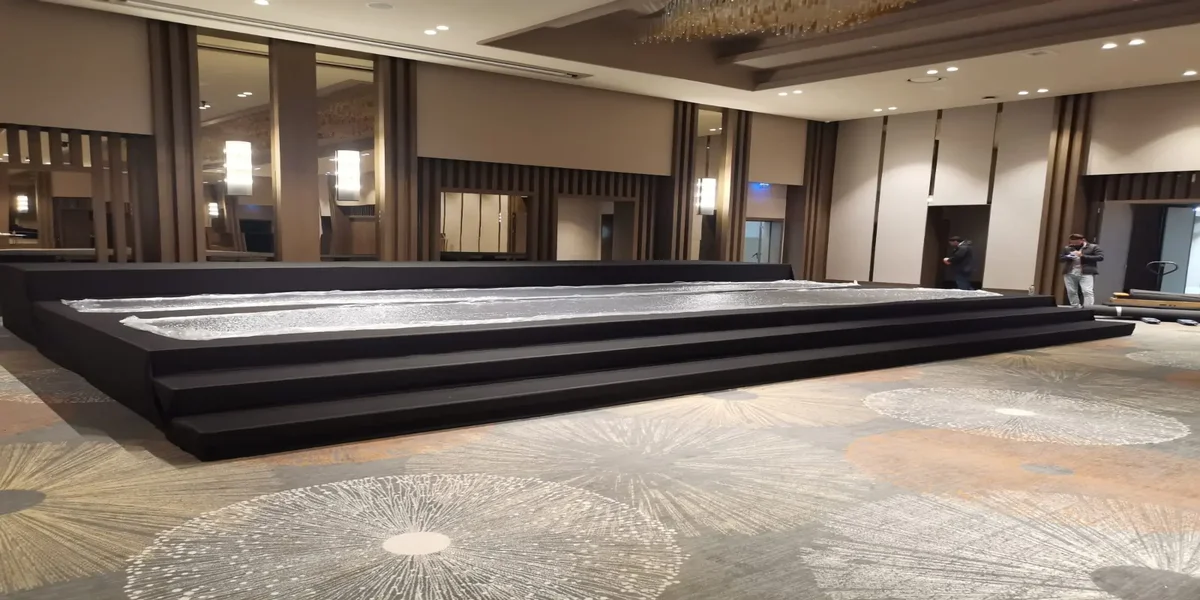
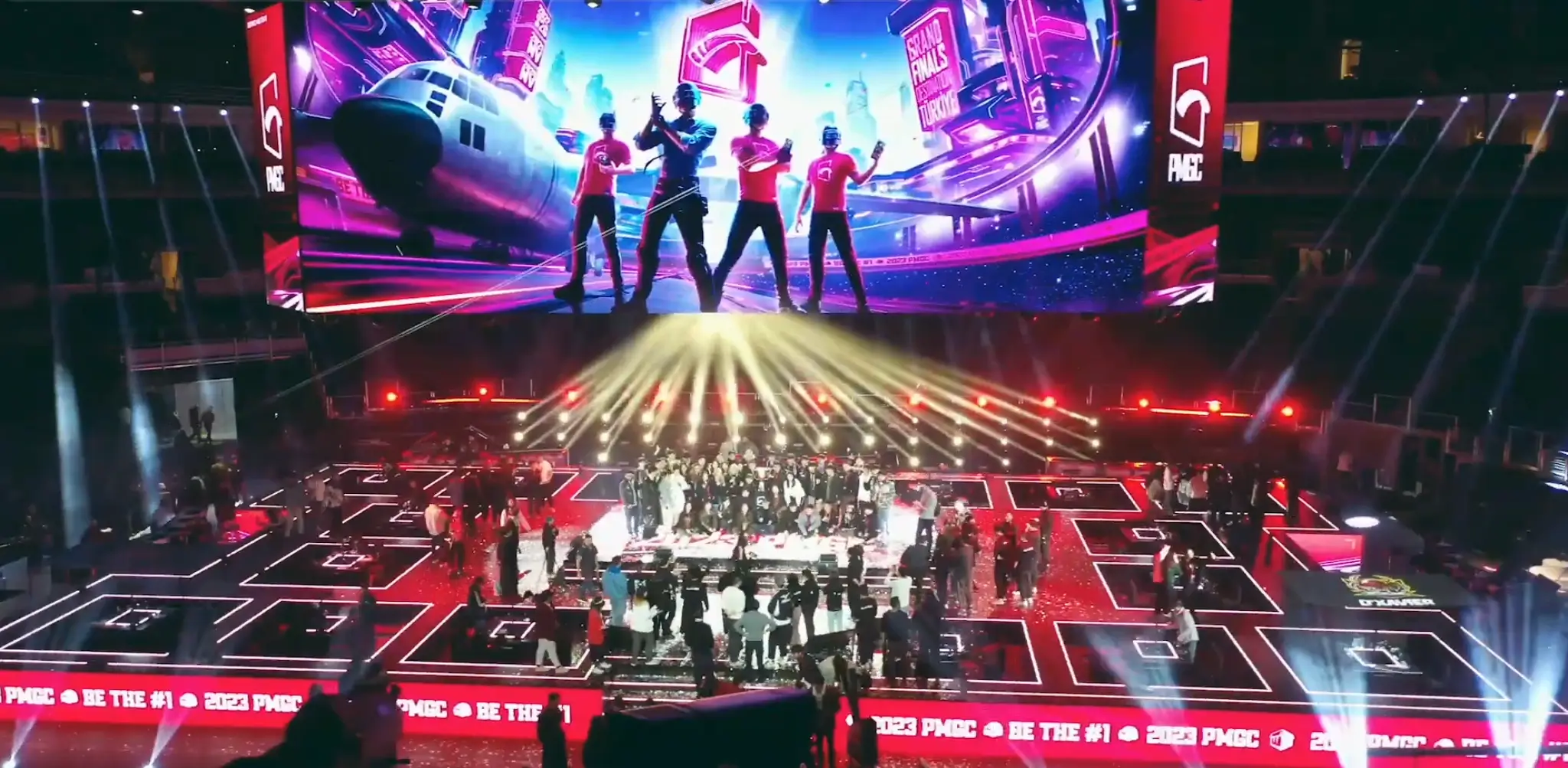
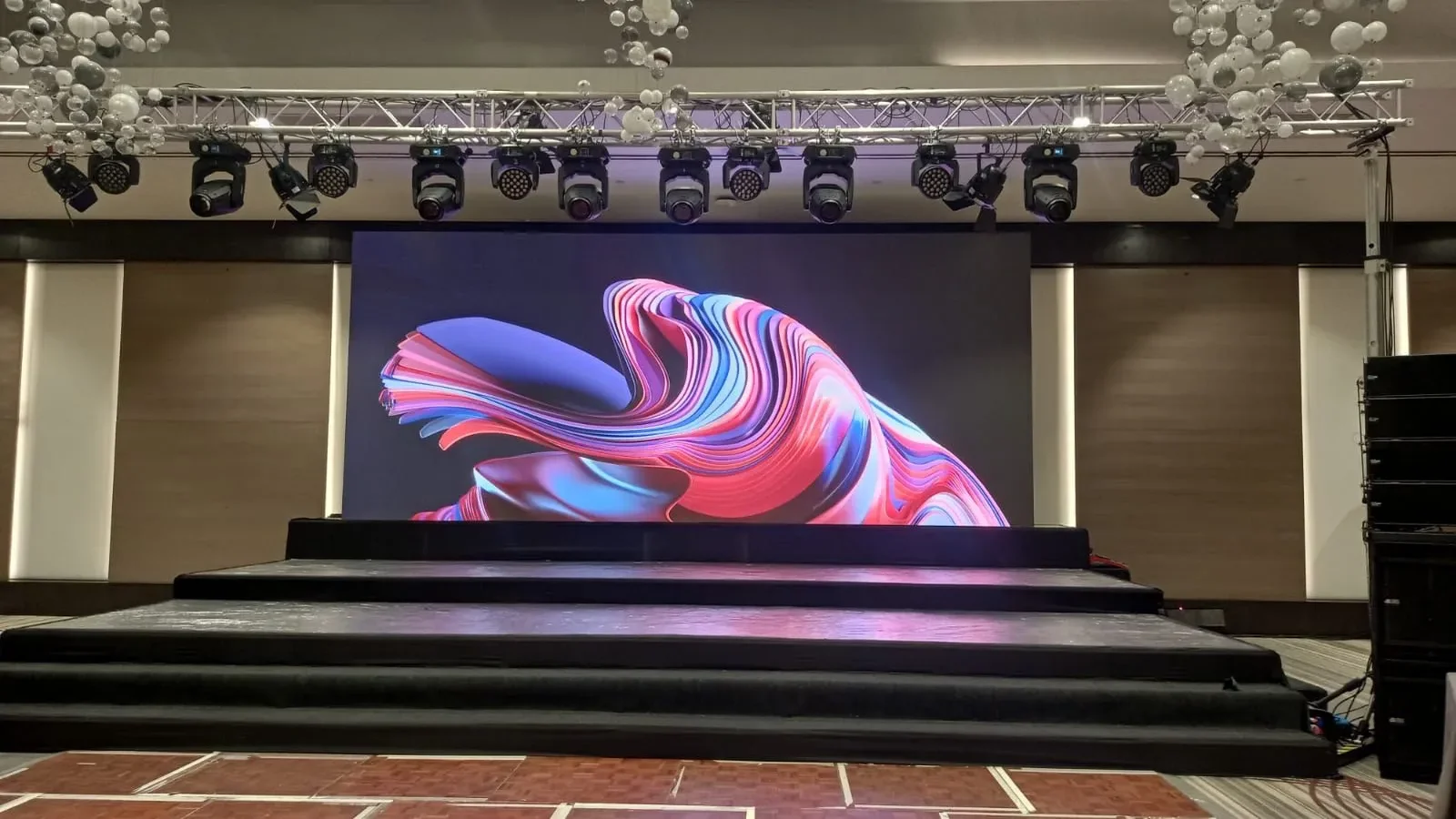
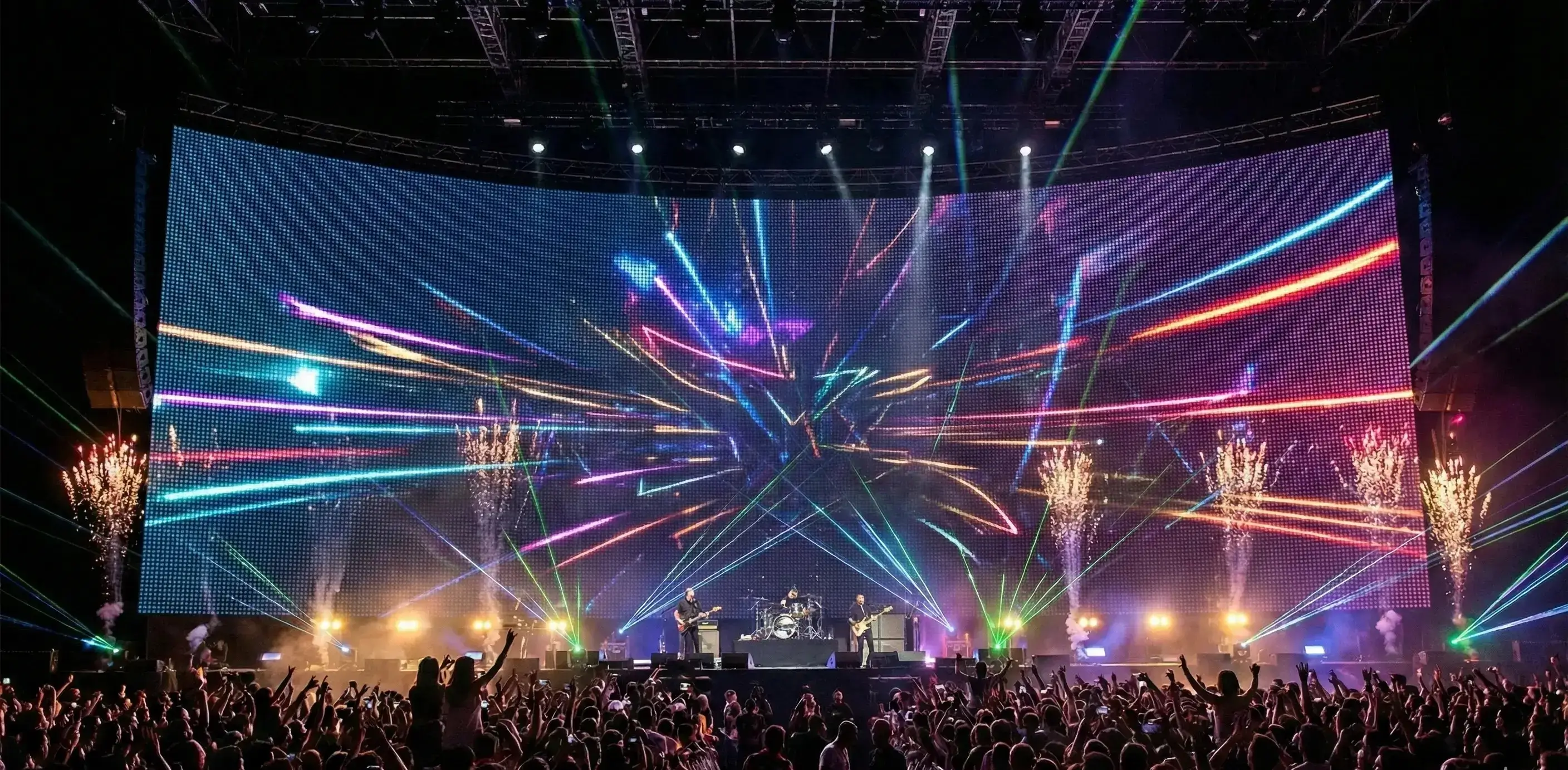
The modern stage is no longer a single platform; it is a system. On and around it there is sound, lighting, LED screens and stage language.
So today, while the stage carries the simple "elevation" idea from antiquity, it also carries the technology of the modern world. The word may still be at the centre, but now it is technology that carries it.
10) Why Is the Stage Still Elevated?
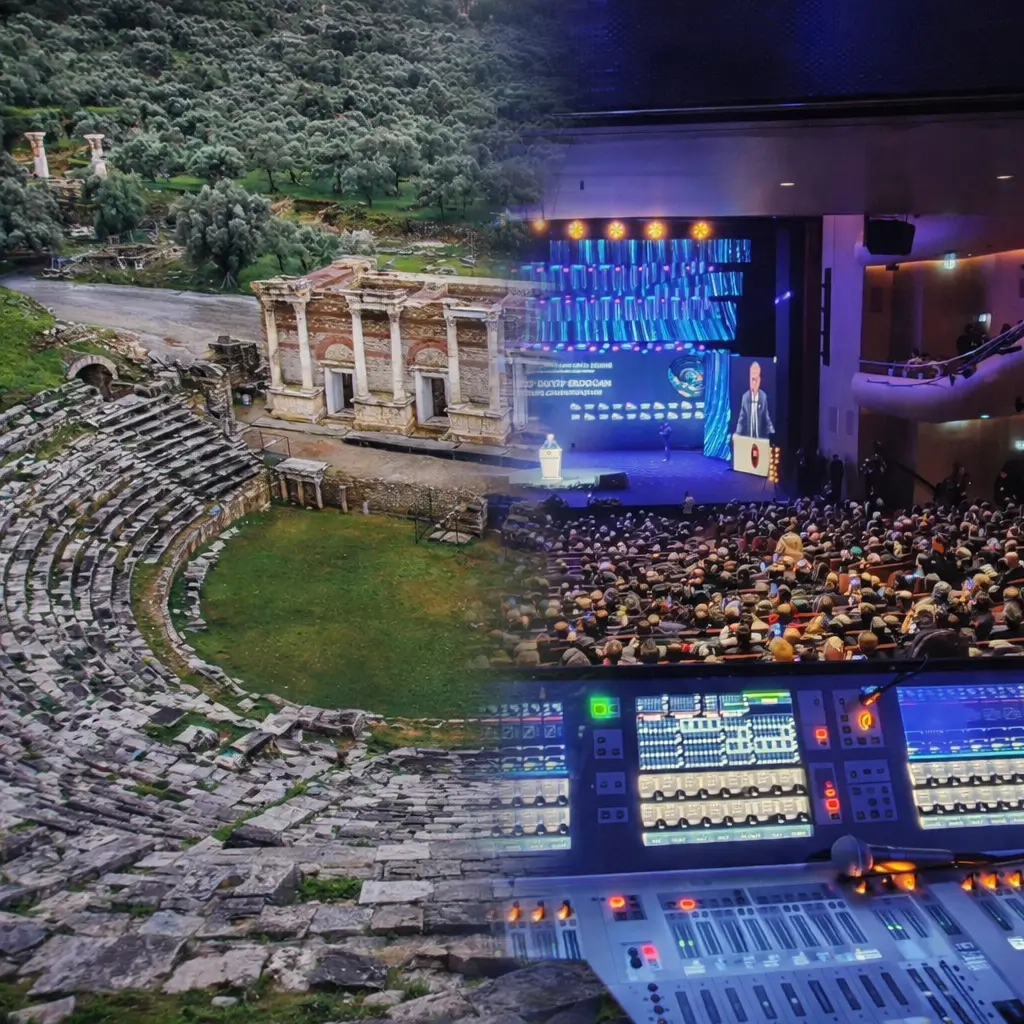
Because the stage is the oldest way to create a "focus" within a crowd. In ancient theatres this focus was built with stone. Today the same focus is built with steel supports and technological systems. But the idea is the same:to be seen, to be heard, to tell a story.
Bridge from History to Today (Sahneva)
Frequently Asked Questions
Where did the concept of the stage first emerge?▼
How did ancient theatres influence modern stages?▼
When did modern stages become 'portable'?▼
What is the biggest difference between today's stage and the past?▼
What Does the Stage Mean to You?
For you, is the stage more about visuals, story or communication? Write in the comments—in the continuation of this article we can also discuss the stage's influence in "modern culture."
Would you like to plan a stage, podium, sound & lighting and LED screen for your event?
Related Services
Regional Rental
For fast planning and regional crew coordination based on your event location:
Go to the Regional Rental page →