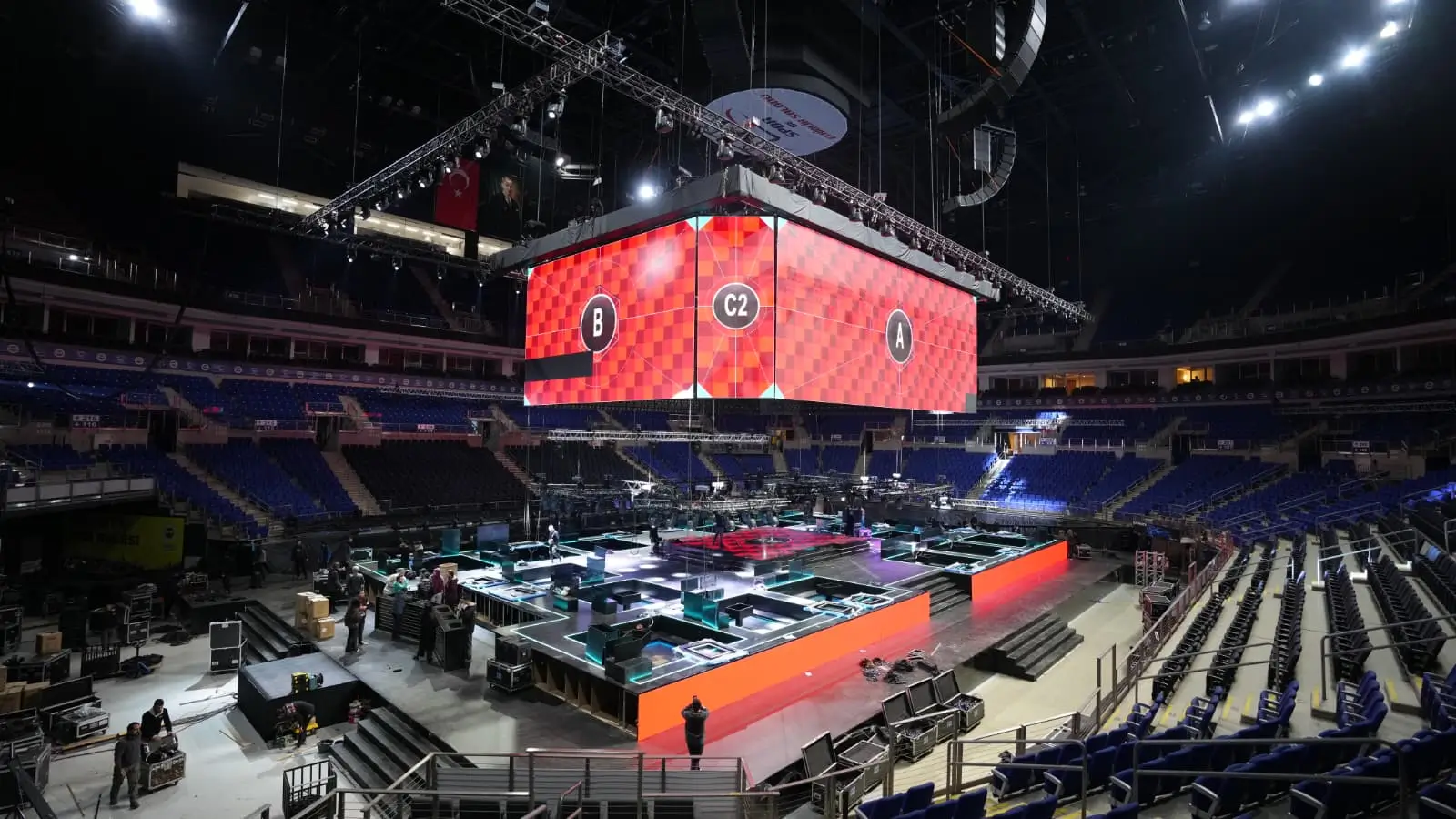
How to Organize a Corporate Event in Turkey — A Guide for International Companies
Turkey is one of Europe's fastest-growing corporate event destinations. This guide covers everything international companies, PCOs and DMCs need to know before planning meetings, conferences, incentive galas or product launches in Turkey.
Why International Companies Choose Turkey for Corporate Events
Turkey has moved into the top tier of global MICE destinations — and for good reason. Its geographic position between Europe, the Middle East and Central Asia makes it naturally accessible for multinational delegate groups. Istanbul's airport alone connects to over 300 destinations worldwide, and Antalya receives direct charter and scheduled flights from more than 50 countries during peak season.
But access is only part of the picture. The combination of world-class congress infrastructure, a broad range of five-star venues, relatively competitive event costs and a rich cultural offer has made Turkey a compelling alternative to Western European destinations for corporate events across almost every industry segment.
- Central location between Europe, the Middle East and Asia
- Direct flight connectivity from 300+ global destinations
- Competitive pricing vs. comparable Western European venues
- Large-capacity congress hotels in Istanbul and Antalya
- Rich incentive programme potential (history, culture, gastronomy)
- Strong government MICE support and tourism infrastructure
- English-fluent hotel and event industry staff
- Year-round event calendar with no single 'off-season'
Choosing the Right City for Your Event in Turkey
The city choice is the most consequential decision in a Turkey event plan. Each city serves a different delegate profile, event size and programme type.
Istanbul
Istanbul is Turkey's business and cultural capital and its primary congress destination for high-profile international events. The city has a large inventory of five-star conference hotels — Hilton Bomonti, Raffles, Conrad, InterContinental, Swissôtel — alongside dedicated congress infrastructure like the Istanbul Congress Centre. For large international congresses (500–5,000+ delegates), executive meetings with Bosphorus views, pharmaceutical summits and prestige brand launches, Istanbul is usually the default choice.
The practical consideration: Istanbul is a large, busy city. Logistics require careful planning — hotel proximity to the congress venue, traffic during transfer periods and loading access windows at event properties can all create friction if not pre-planned with a local partner.
Antalya
Antalya is Turkey's largest resort event destination and hosts more international incentive programs and resort-format congresses than any other Turkish city. The Belek, Kemer and Side resort zones contain massive five-star hotel properties — Regnum, Rixos, Titanic, Calista, Cornelia — many with ballrooms that hold 1,000–3,000+ guests and dedicated congress wings.
Antalya works best for incentive travel programs, dealer meetings, pharmaceutical congresses with resort-format social programmes, and any event where the overall destination experience is part of the offer. The Mediterranean climate makes it attractive from late March through November.
Izmir
Izmir is Turkey's western gateway — a modern, livable city with strong academic, trade fair and regional congress credentials. The Izmir Fuar Alanı (Izmir International Fair) is the largest exhibition complex in Turkey, and the city's proximity to Ephesus provides an excellent incentive backdrop. Best for regional corporate meetings, trade exhibitions and academic congresses for the Aegean region.
Ankara
Turkey's capital is the right choice for government, diplomatic, public sector and academic events. The city has strong protocol infrastructure but fewer resort-format options. Events here tend to be more formal: ministerial meetings, UN-related events, inter-governmental conferences and academic symposiums.
| City | Best for | Peak season |
|---|---|---|
| Istanbul | Congresses, launches, executive meetings, galas | Year-round |
| Antalya | Incentives, dealer meetings, resort congresses | Mar–Nov |
| Izmir | Trade fairs, exhibitions, academic congresses | Apr–Oct |
| Ankara | Government, diplomatic, public sector events | Year-round |
| Bodrum | Premium incentives, brand experiences | May–Sep |
| Cappadocia | Unique destination incentive events | Apr–Oct |
Common Corporate Event Formats in Turkey
Turkey's event infrastructure supports the full range of corporate formats. These are the most common types international companies bring to Turkey, with their typical technical requirements:
Multi-day programmes with plenary sessions, breakout rooms, poster halls, simultaneous interpretation and exhibition areas. Typical scale: 200–5,000 delegates. Technical requirement is complex — multi-room AV, SI systems, recording suites and exhibition lighting.
Group reward events for top performers, dealer networks or VIP clients. Usually 100–500 people. Programme includes daytime experiences and evening gala events — the gala production (stage, lighting, sound, LED content) is the centrepiece and requires most technical investment.
Annual gatherings for sales networks. Common in automotive, tech, pharma and FMCG. Two to three days: strategy presentations by day, gala/awards by evening. Need strong main stage, branded backdrop, presentation screens and clear sound for 300–1,500 people.
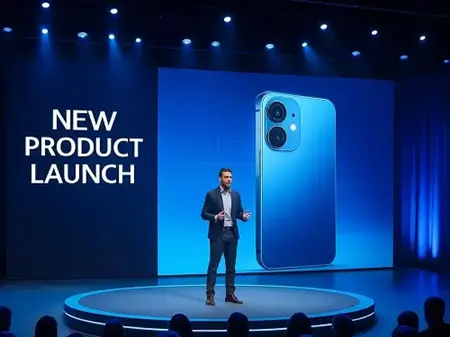
New product or model reveal events — often held in resort ballrooms or dedicated event spaces. High-impact staging, LED content walls, reveal lighting and rehearsed show flow. The production quality is usually the most demanding of any format.
Smaller format (20–100 people) but expectations are high. Conference room AV, clear sound, presentation screens, simultaneous interpretation if multilingual, and professional lighting. Often combined with an incentive programme.
Booth-based events in exhibition halls. Technical requirement: LED video walls per booth, background sound, truss structures, demonstration stages and ambient lighting. Sahneva provides both booth AV and shared hall infrastructure.
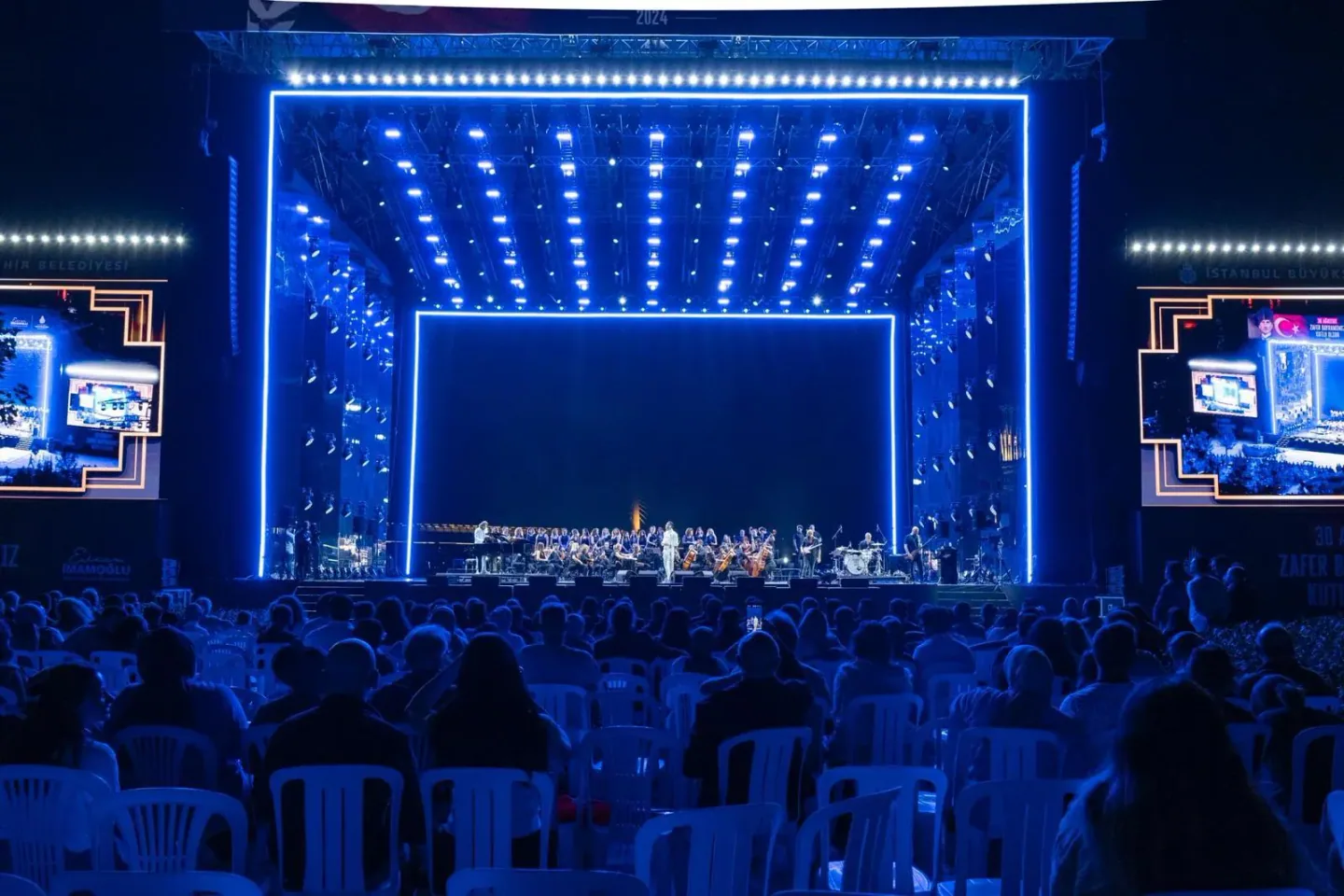
Why You Need a Local Technical Production Partner in Turkey
This is the single most important piece of practical advice in this guide: do not try to manage Turkish event logistics remotely, without a local production partner.
The challenge for international companies is not equipment availability — Turkey has strong AV and staging inventory. The challenge is local knowledge: how hotels operate their loading docks, what time equipment can enter and exit the building, which floors have adequate power supply, how city traffic affects equipment delivery windows, and which local suppliers are reliable under pressure.
A good local production partner replaces the need for you to learn all of this. They know the venues, the logistics habits, the technical constraints — and they communicate in English so your international team stays in control.
What to look for in a local Turkey event production partner
- English-speaking project coordination (not just on-site translation — full production communication in English from day one)
- Single point of contact for stage, AV, lighting, truss and tent — not a fragmented chain of sub-contractors
- Verifiable references from international events (PCO, DMC or corporate brand references)
- Willingness to join site inspections and engage with your technical rider
- Clear RFP response process with itemised technical scope and budgets
- Coverage across your chosen city and flexibility for other Turkish cities if needed
- Backup equipment and contingency plans for critical technical systems
Sahneva works with international companies, PCOs and DMCs as a local technical production arm in Turkey. We provide stage, LED screen, sound, lighting, truss and tent — all coordinated by an English-speaking project manager. We work in Istanbul, Antalya, Izmir, Ankara, Bodrum and across Turkey. Learn more about our international partner model →
Technical Production Requirements for Events in Turkey
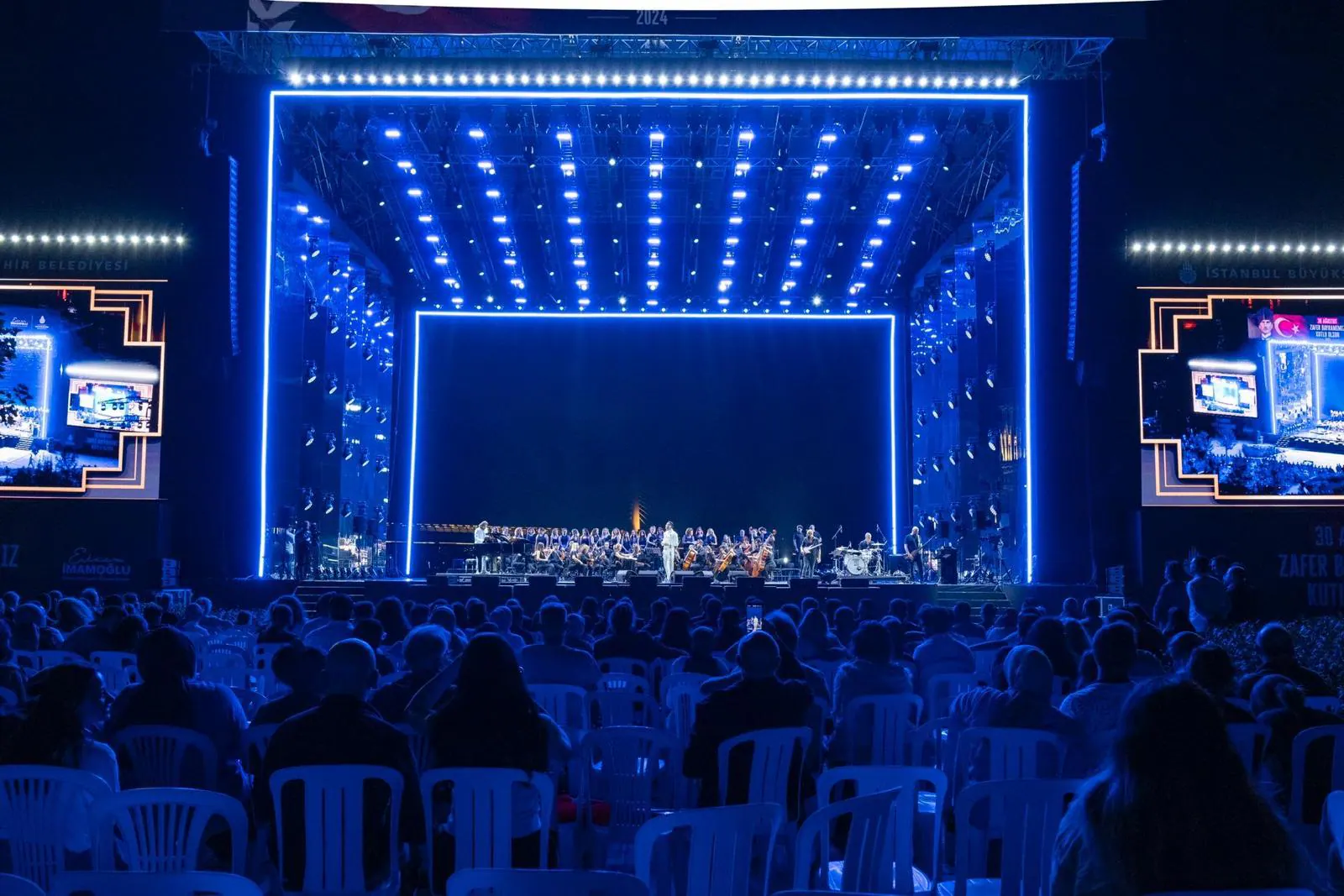
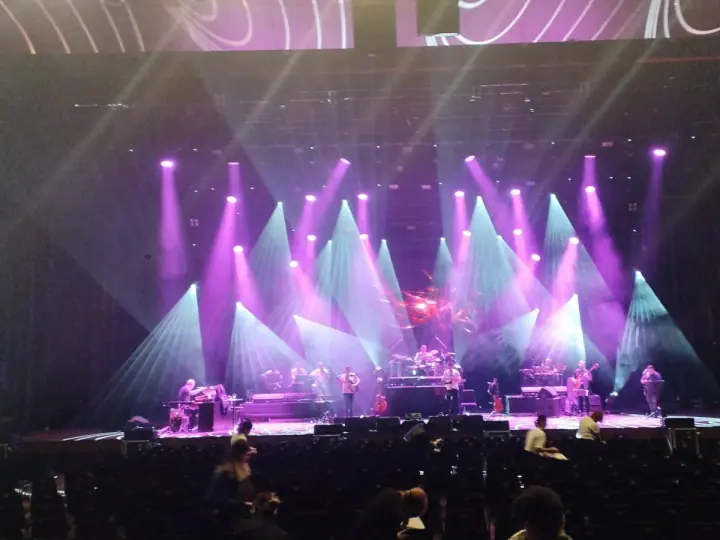
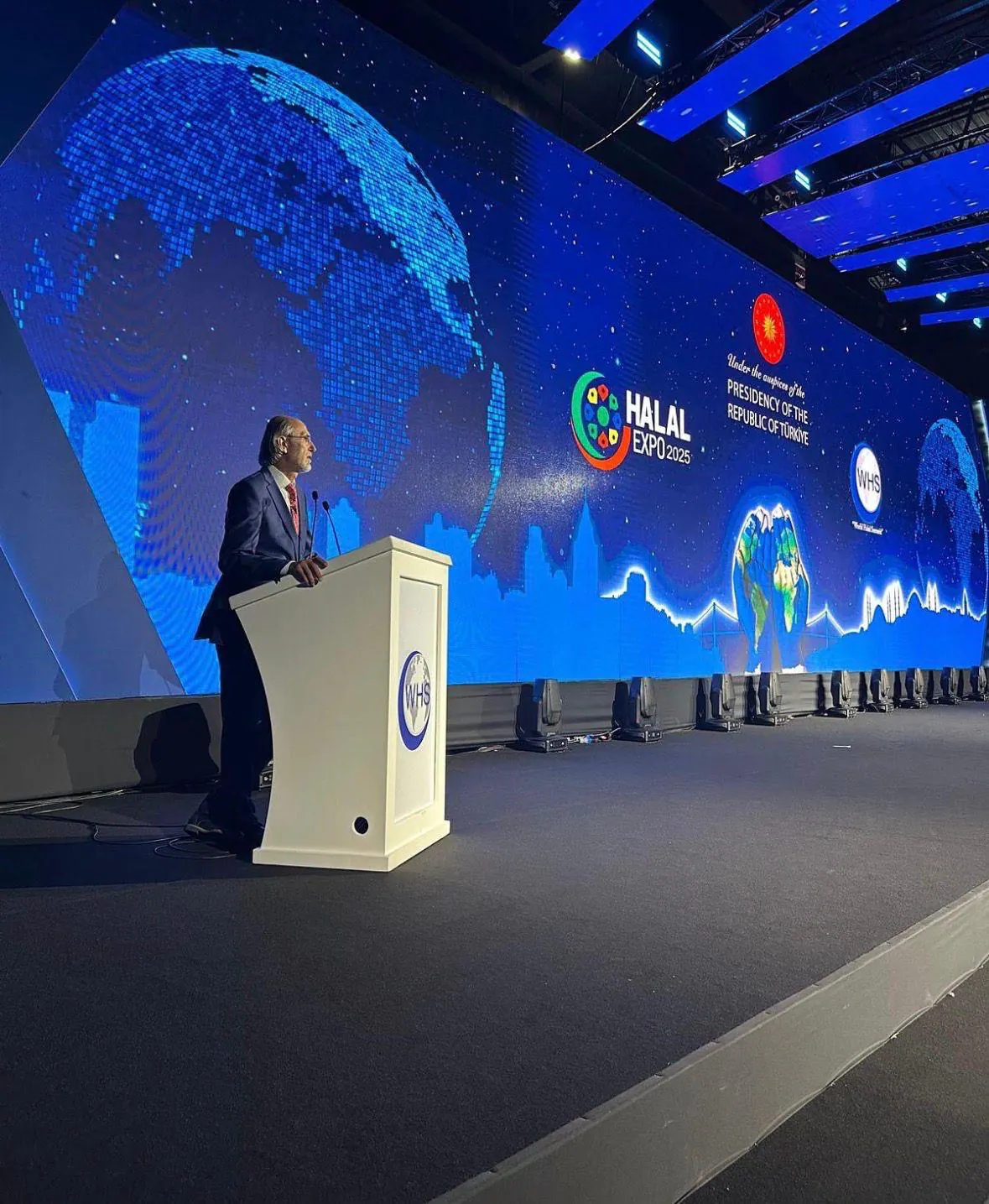
Turkish venues — particularly resort hotels — have technical infrastructure in place, but this rarely covers everything an international corporate event requires. Here is what you typically need to plan as external production:
Stage and podium
Most hotel ballrooms have a fixed built-in stage, but its dimensions, finish quality and configuration rarely match the requirements of a product launch or branded congress. External stage extensions, custom podiums, branded backdrops and protocol platforms are almost always needed and must come from a production supplier.
LED screens
Hotel built-in projectors or screens almost never meet the quality expectations of international corporate events. LED screens — indoor panels with P2.9 or P3.9 pixel pitch — deliver the image quality international companies expect. LED screens require an image processor, content routing system and a dedicated technical operator throughout the event.
Sound systems
Hotel PA systems are designed for background music, not speech amplification for 500 delegates in a reverberant ballroom. Line-array speaker systems, wireless microphone management (with careful RF channel planning to avoid interference), monitor systems for speakers and a front-of-house mix engineer are typically required for any event over 100 people.
Simultaneous interpretation
If your congress or meeting has more than one working language, SI infrastructure is essential: interpreter booths, transmitter system, receiver units and earpieces for delegates, plus channel management. This is a specialised technical requirement and must be planned early.
Lighting
Stage lighting for speaker visibility, atmosphere lighting for evening events and brand-colour wash systems are typically not provided by the hotel to event standard. Moving head fixtures, LED wash lights and spotlight systems shape the visual quality of both daytime sessions and evening galas.
Power and backup
For outdoor events, beach galas and large-scale productions in venues with limited power infrastructure, generator supply and UPS systems are required. For high-stakes events, backup control systems for critical technical channels are also recommended.
Planning Timeline for a Corporate Event in Turkey
International events in Turkey generally require a longer lead time than comparable domestic events, because of coordination across multiple time zones, hotel availability constraints (particularly in Antalya during peak season) and the time needed to develop a detailed technical scope.
Destination and city decision. Venue shortlist. Initial site inspection. Budget allocation.
Venue contract. Technical partner selection. Initial production brief to local AV partner.
Detailed technical production plan. Stage and LED screen layouts. SI and recording requirements confirmed. PCO/DMC local partner scope locked.
Hotel technical coordination. Loading schedule. Power plan. Run-of-show first draft. Speaker programme confirmed.
Site inspection with technical team. Final floor plan. Equipment list confirmed. Crew assignments. Backup plans documented.
Delivery schedule. Hotel coordinator briefed. Technical run-through. Presenter rehearsal slots.
Morning technical checks. Full sound and screen test. Rehearsal. Event day operation with technical team on site throughout.
Strike and load-out. Venue handover. Technical debrief. Recording delivery.
Budgeting a Corporate Event in Turkey
Turkey offers strong value relative to comparable Western European destinations. However, international event budgets in Turkey are often under-estimated because the total cost picture requires understanding which costs are hotel-inclusive and which require separate production budget.
What is typically included by the venue
- Basic built-in PA system (usually insufficient for large events)
- Basic fixed lighting (not event-production standard)
- Basic built-in projectors or screens (usually insufficient quality)
- Tables, chairs and standard banquet setup
- Venue coordinator (not a technical production manager)
What typically requires external production budget
- LED screens and video wall systems
- Main stage build and branded podiums
- Line-array sound system and RF management
- Stage and atmosphere lighting design and equipment
- Truss and rigging structures
- Simultaneous interpretation systems
- Technical crew (operators, stage managers, engineers)
- Generator and backup power (for outdoor events)
- Recording and live streaming
- Event tents for outdoor areas
The most reliable way to get an accurate Turkey event production budget is to send a detailed technical brief to your local production partner and request an itemised quote. Request quotes from two or three suppliers to benchmark the market.
On-the-Ground Logistics: What to Plan For
Beyond technical production, these practical logistics points catch international event teams off-guard most often when working in Turkey for the first time.
Turkish hotels — particularly resort properties — have strict rules about when and how equipment can be loaded in and out. Many have shared loading docks and scheduled windows. Your local production partner should coordinate this with the hotel technical team in advance. Last-minute loading access requests can derail an entire installation schedule.
Always confirm available power capacity with the hotel technical department before finalising the technical plan. A large conference with full LED screen, sound and lighting can draw 80–200A or more. Some hotel ballrooms cannot provide this from the building supply — generator planning is the contingency.
If you are shipping production equipment from outside Turkey, ATA Carnet documentation is required. Turkish customs processing for temporary import of AV equipment can take 2–4 working days if all documentation is complete. Plan freight arrivals accordingly.
Istanbul's traffic is notoriously unpredictable. Equipment vehicles need specific delivery time windows — ideally early morning. Your local production partner should know the city patterns and plan accordingly. Venues in Antalya's resort zones are generally more accessible, but road works and seasonal traffic still require buffer time.
Some Turkish hotels have exclusive or preferred supplier agreements for in-house AV. Confirm whether your chosen venue permits external production companies — and if so, whether there is an external contractor fee or insurance requirement. Most five-star properties in major MICE destinations allow external suppliers.
Pre-Event Checklist for International Companies Planning Events in Turkey
- Destination decision confirmed (city, zone, reason for choice)
- Venue shortlist of 3–5 properties sent to hotel and venue teams
- Site inspection completed (or video tour if remote at early stage)
- Venue contract signed with all AV and technical access clauses reviewed
- Local technical production partner identified and contracted
- Technical brief (event type, room, pax, technical expectations) sent
- Itemised production quote received and approved
- English-speaking project manager assigned by local partner
- Site inspection with local technical team completed or scheduled
- Stage dimensions, configuration and load plan confirmed
- LED screen sizes and pixel pitch approved
- Sound system type and microphone plan agreed
- Lighting design concept approved
- SI requirement confirmed (languages, booth count, receiver count)
- Recording and live-stream requirements confirmed
- Power supply confirmed with hotel — generator booked if needed
- Equipment delivery window booked with hotel loading dock
- ATA Carnet prepared if shipping equipment from outside Turkey
- Hotel external contractor permission confirmed in writing
- Run-of-show document shared with local production team
- Presenter rehearsal schedule agreed
- Backup plan for critical technical systems documented
Planning a Corporate Event in Turkey?
Sahneva works with international companies, PCOs and DMCs as a local technical production partner in Turkey — covering stage, LED screen, sound, lighting, truss and tent across Istanbul, Antalya, Izmir, Ankara and nationwide. English-speaking project coordination from first brief to post-event handover.