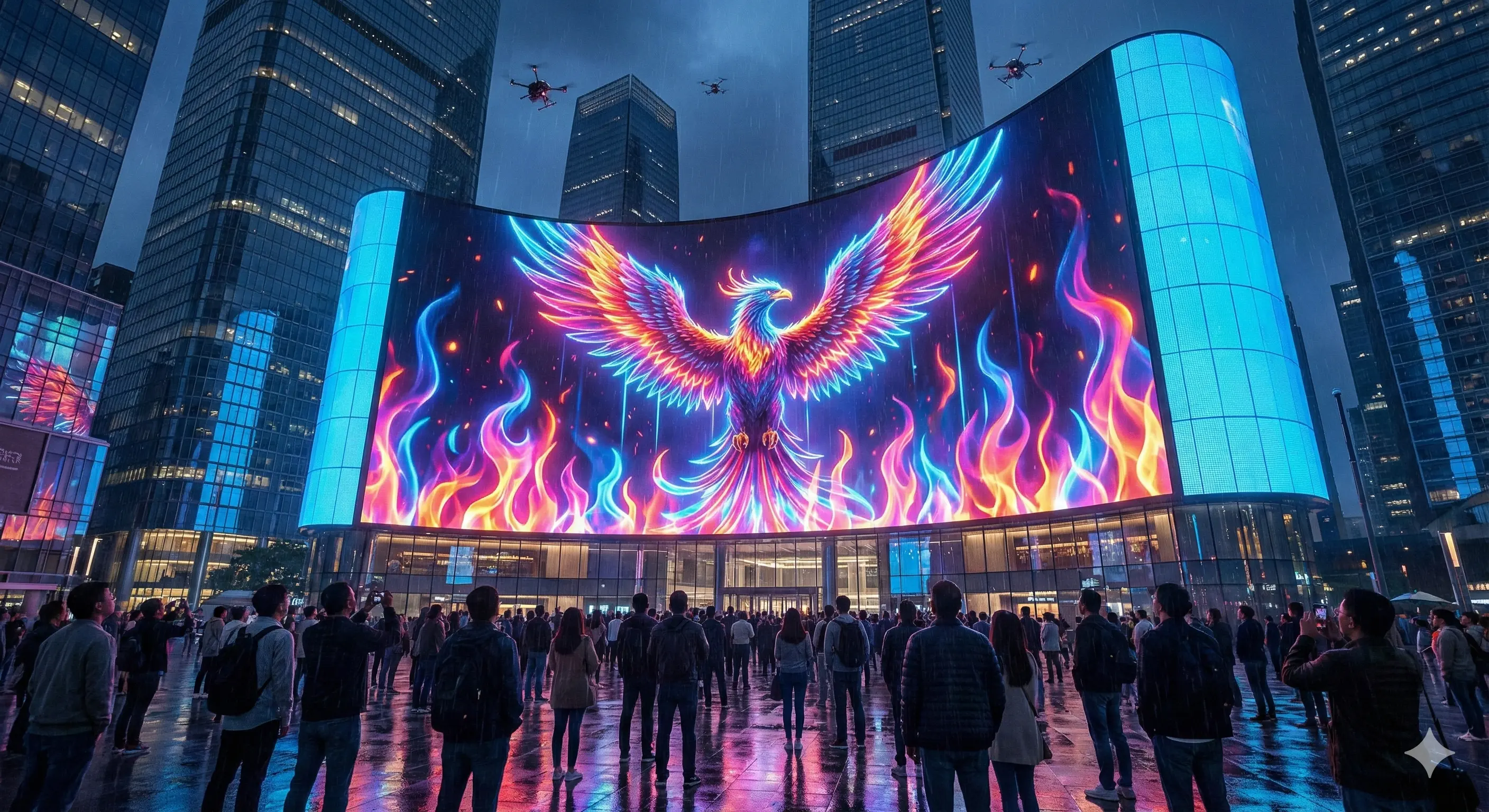
"Any LED screen will do" is over. In 2026, brands demand pixel pitch, driver technology, HDR support and camera-friendly flicker performance all at once.
This guide has been prepared to help you build a technical checklist before requesting a quote and make the right comparisons during the LED screen rental process.
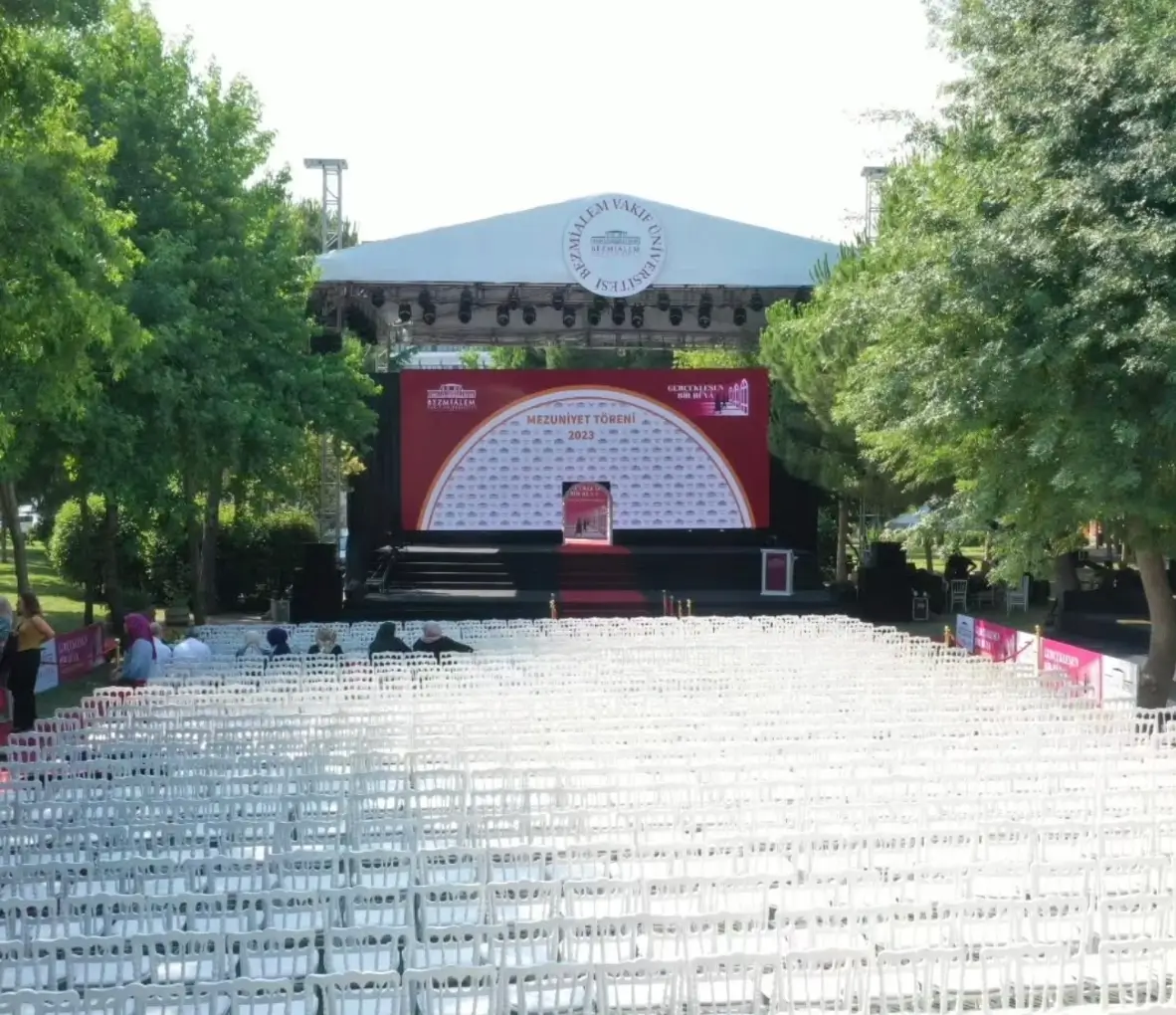
You may be planning a major launch, a global dealer conference or a hybrid congress. The LED screen is the most visible element of the stage; that is why, during the selection process, you need to read not just square footage but also technical criteria such as pixel pitch, refresh rate and content compatibility correctly.
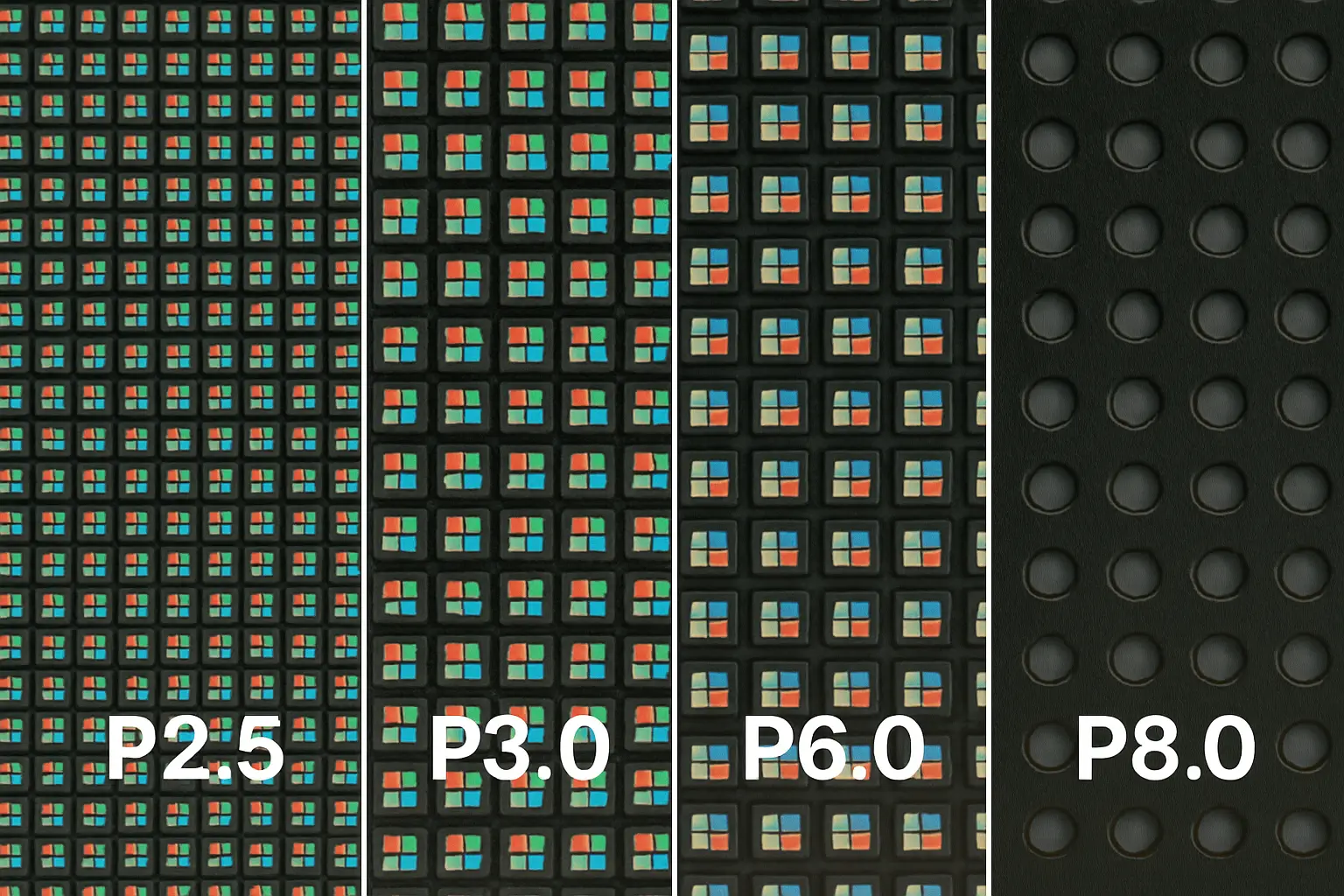
1. The Fine-Pitch and P1.x Era
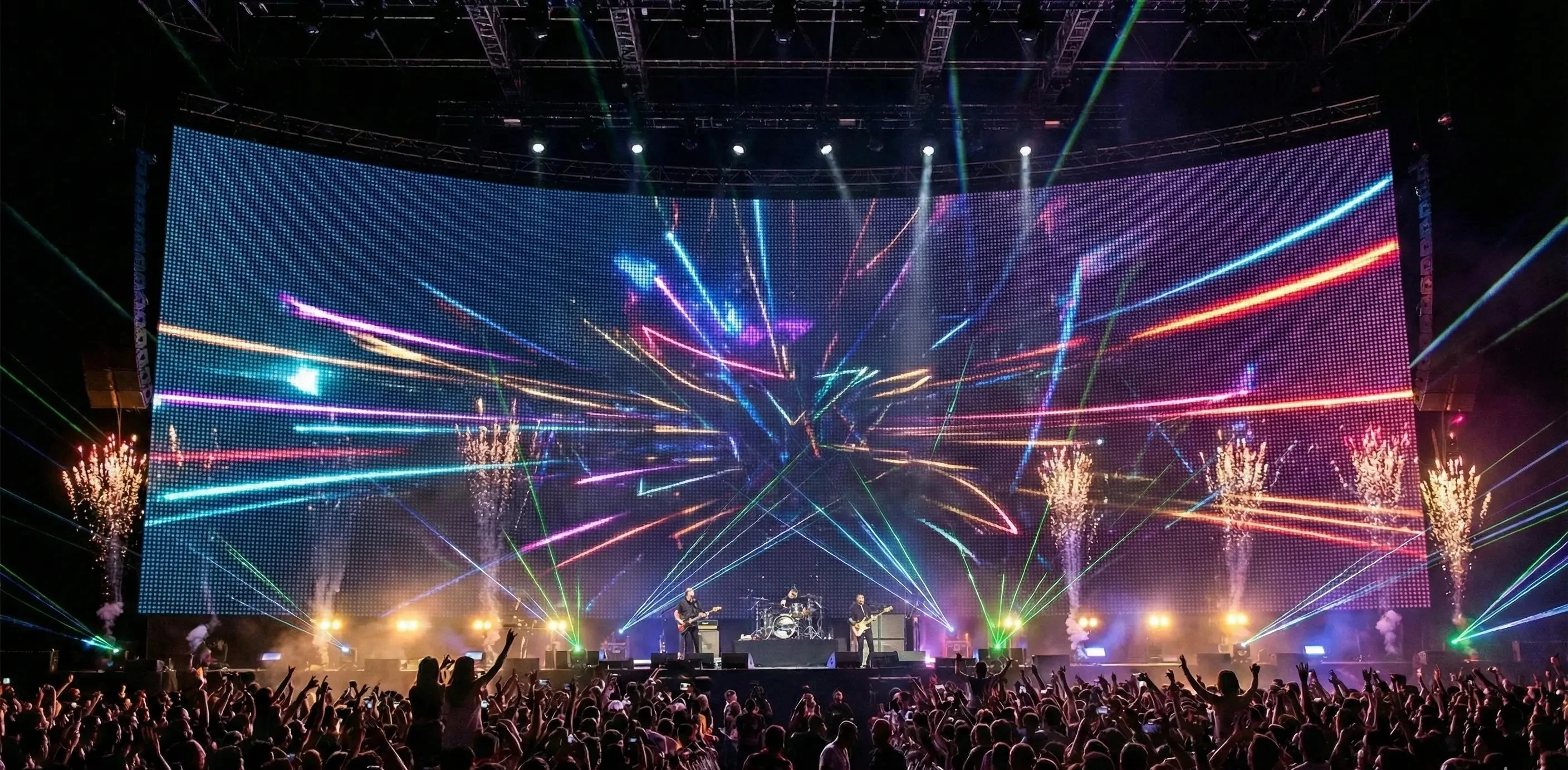
On indoor stages, the P1.5–P2.6 range is now the new normal. A lower pixel pitch means sharper text and clearer graphics at the same stage size. The difference becomes even more visible on jobs with camera coverage.
Warning
2. COB LED 2.0: Durability and Black Level
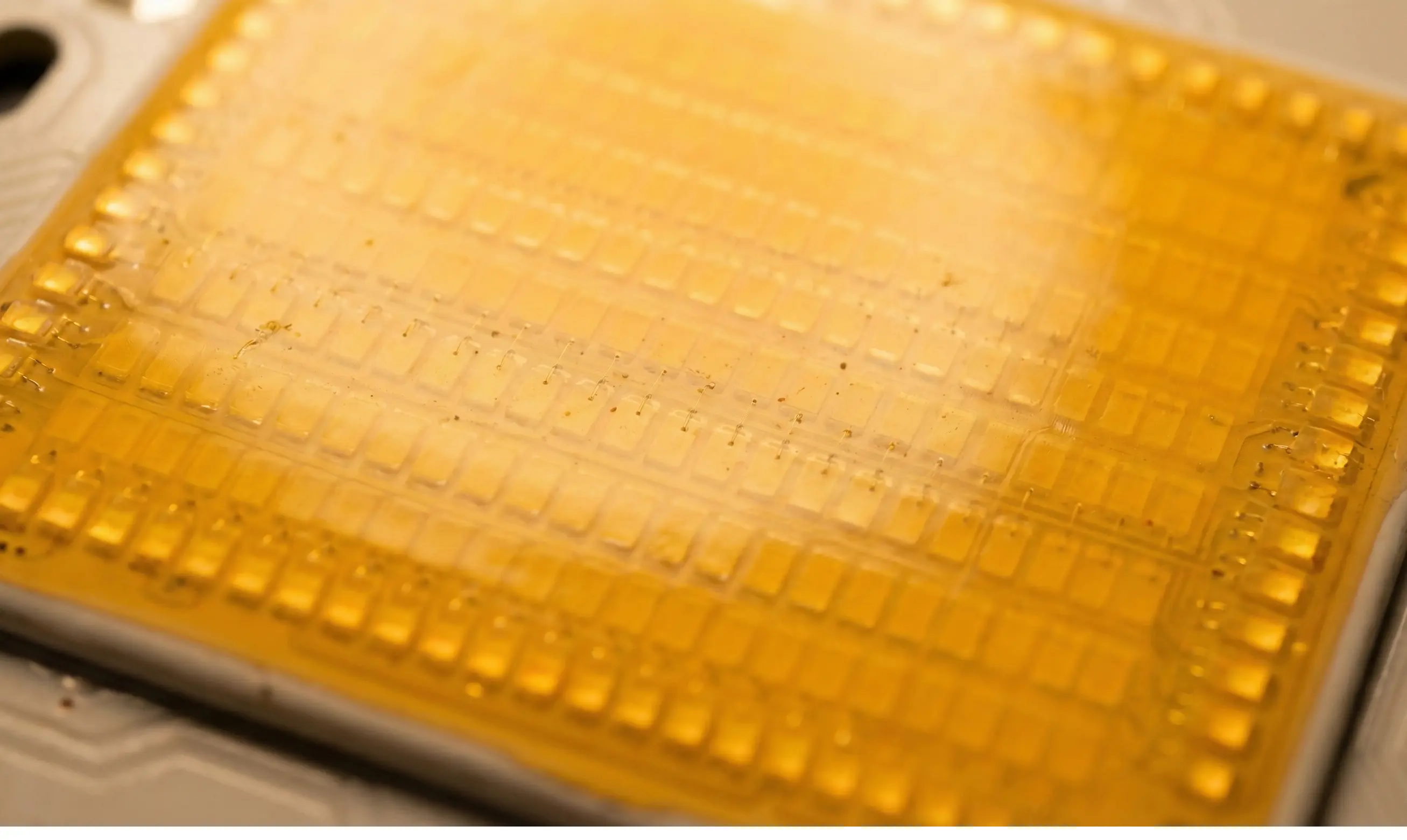
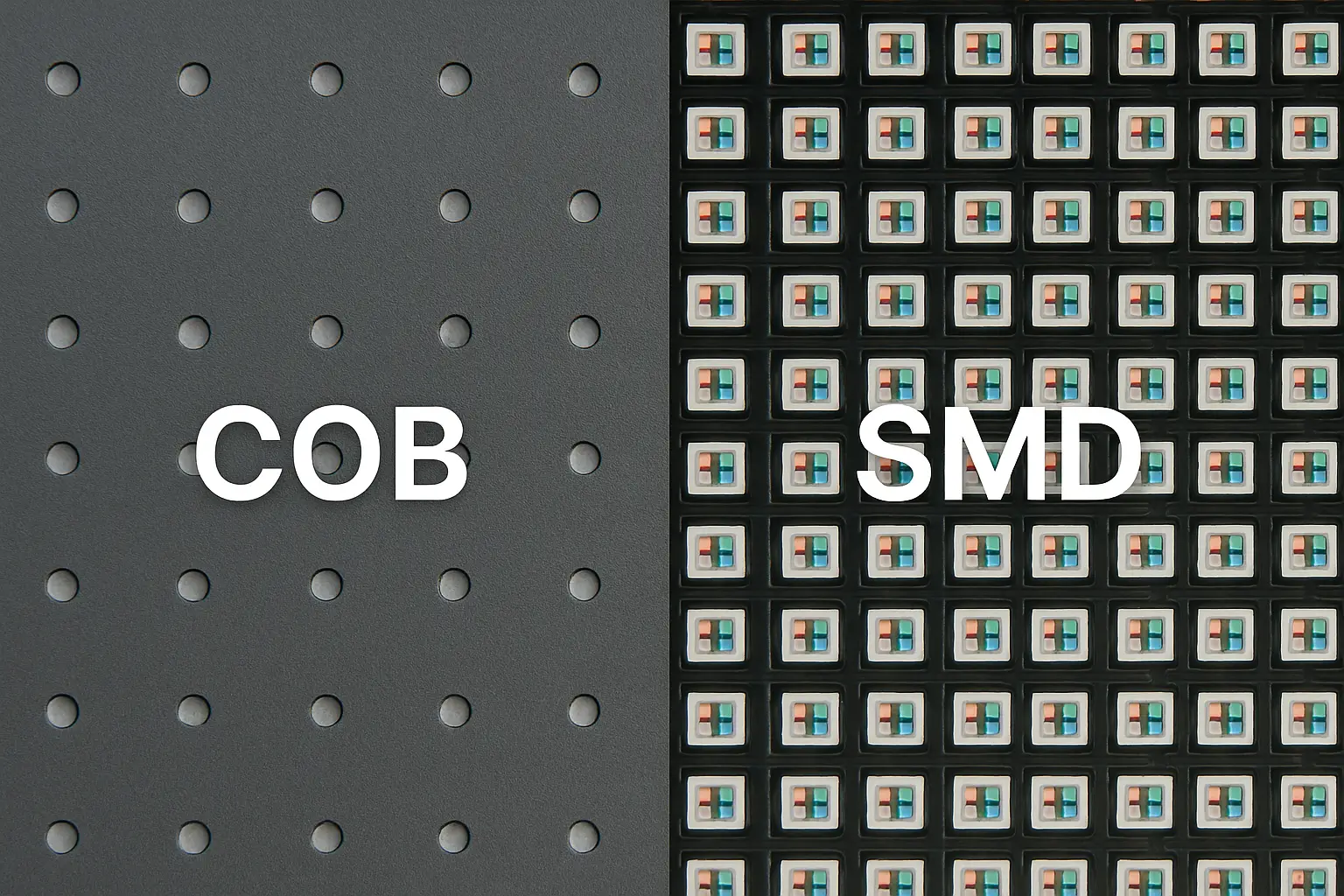
In COB (Chip on Board) panels, the LED chips are in an integrated structure under a protective layer. This provides both more homogeneous light and better durability. The black level (contrast) advantage is especially strong for premium indoor stages.
3. HDR Content and Colour Calibration
HDR is not just "brighter": it means a wider dynamic range, more accurate tone transitions and deeper blacks. The effect is maximised on stage when combined with calibration and content production.
3-Step Workflow for HDR
- Obtain colour profile / recommended values from the technical team for the panel brand/model.
- Give the content agency the LUT / profile target (do not waste an HDR panel with SDR content).
- Carry out live calibration on stage after installation (shared optimum for both camera and eye).
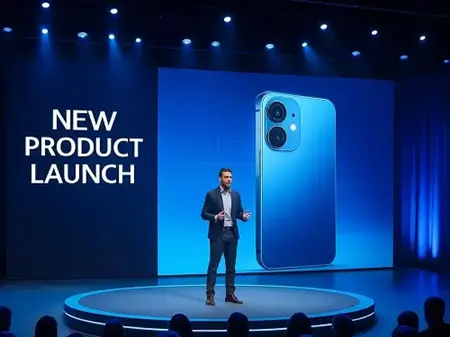
Planning Example: LED Selection for a Corporate Launch
Scenario: 600-person venue + live broadcast + product launch
Goal: Reduce camera banding/flicker risk, achieve premium black level and sharp typography on stage.
- Recommendation: Fine-pitch (P2.x) + 3840Hz+ driver
- Content: HDR pipeline + on-stage calibration
- Risk mitigation: Spare panels + rapid response plan
Target to Verify During Rehearsal
Reduced camera flicker risk + sharper text + a more "premium" stage perception.
Get a quote for a similar setup2026 Panel Comparison
Compare quotes using criteria like the ones below rather than on "m²" alone. This way you choose the most suitable panel within the same budget.
| Criterion | P1.5 | P2.6 | COB (indoor) |
|---|---|---|---|
| Viewing distance | Very close | Medium | Close–medium |
| Camera suitability | ⭐⭐⭐⭐⭐ | ⭐⭐⭐⭐ | ⭐⭐⭐⭐⭐ |
| Durability | ⭐⭐⭐ | ⭐⭐⭐ | ⭐⭐⭐⭐⭐ |
| Corporate use | Premium | Value/Performance | Premium+ |
5 Critical Mistakes When Choosing an LED Screen in 2026
- Requesting quotes based on m² only: A quote that does not state pixel pitch / refresh rate cannot be compared.
- Not accounting for camera angles: If there is a live broadcast, 3840Hz+ and correct calibration are essential.
- HDR panel + SDR content: If content production is not built to an HDR pipeline, the effect is lost.
- Not asking about spare panels and a response plan: Without risk management, a minor fault turns into a major loss.
- Not planning installation time realistically: Stage integration (sound/lighting) must be planned together.
How Is an LED Screen Budget Broken Down?
The answer to "why is the price like this?" is usually hidden in the breakdown of line items. Typical breakdown on 2026 projects:
LED panels (pixel pitch + quality)
Installation & technical crew
Media server / content compatibility & signal chain
Spare panels / contingency
Stage integration (sound/lighting/rigging)
Rather than simply asking about price when requesting a quote, clarify what is included under each of these line items. While you are here, you can also review the installation, crew and technical operation scope from our LED screen rental page.
Technical Checklist + PDF
If the following are not clearly stated in your quote document, ask for them in writing:
- LED panel brand/model
- Pixel pitch (P1.5 / P1.9 / P2.6, etc.)
- Refresh rate (3840Hz+ recommended)
- Brightness (cd/m²) + indoor/outdoor class
- Spare panel stock + fault response plan
- Content resolution / FPS recommendation
Pro Tip
Frequently Asked Questions
Frequently asked questions about LED screen trends
What is the key difference between a COB LED panel and an SMD LED panel?▼
What is the ideal pixel pitch for indoor stages in 2026?▼
Does HDR-capable LED screen really make a difference?▼
What technical information must I request when getting an LED screen quote?▼
What kind of solutions does Sahneva offer in line with 2026 trends?▼
Let's Design Your 2026 LED Screen Project Together
Let us elevate your stage to a premium level with fine-pitch LED, COB, high refresh rates and the right content production.
You can review our LED screen rental solutions and clarify the right panel/installation plan for your project.
Related Services
Regional Rental
For fast planning and regional crew coordination based on your event location:
Go to the Regional Rental page →