A spare microphone can be on the truck while a speaker is waiting on stage. If nobody knows where it is or who should bring it over, the response still takes time. Event contingency planning starts with available resources and turns them into an agreed sequence of actions, responsibilities and programme decisions.
What do spares and a response plan each provide?
A spare is a physical item that can replace a particular component. A response plan describes what happens when a problem is detected: report it, get a technical assessment, select the appropriate intervention and adjust the programme where necessary. Separating these questions makes the production brief more useful than a general promise of “backup equipment”.
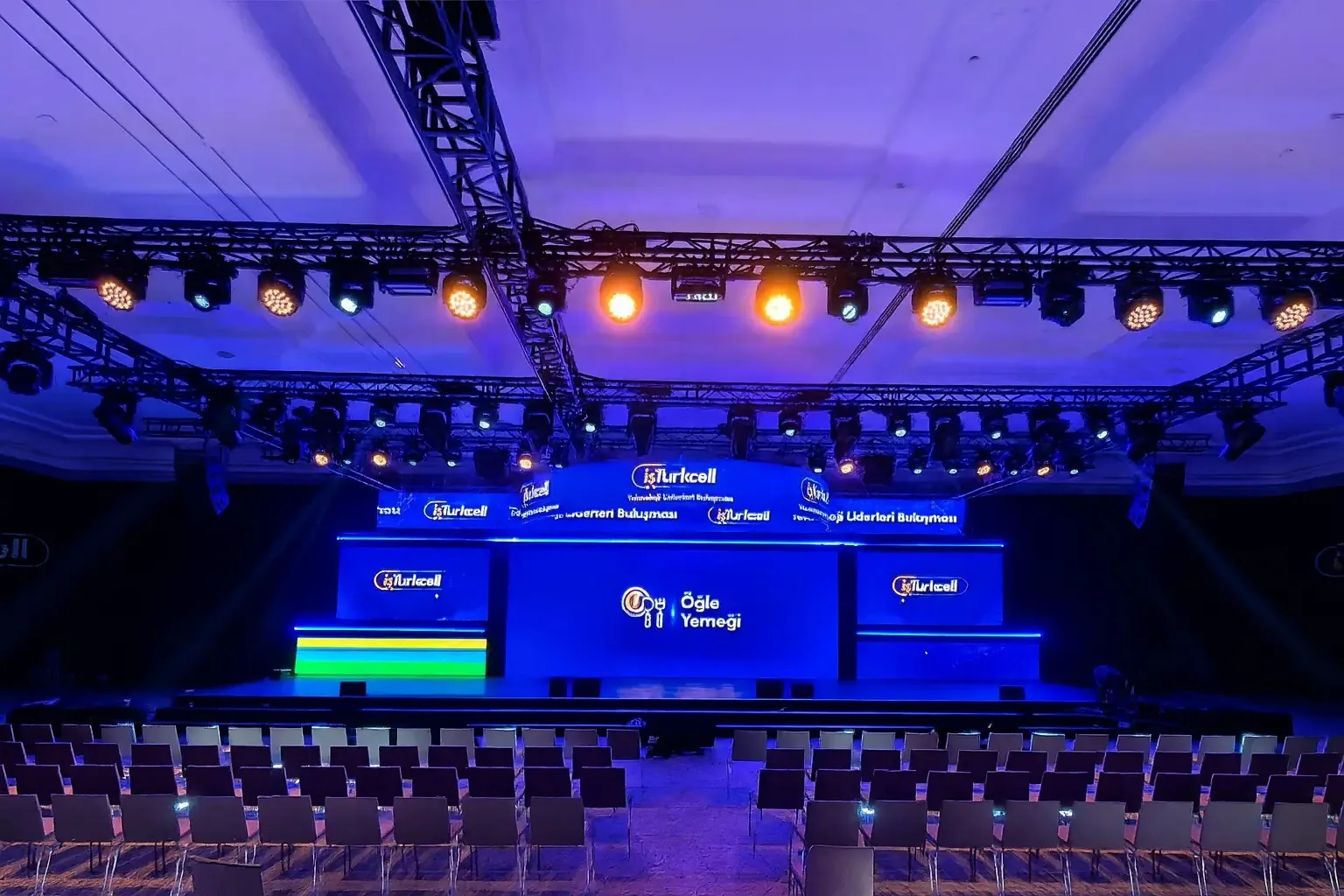
A spare LED panel does not imply that the entire video system is duplicated. A display issue may originate in a panel, a connection, the content source or another part of the system. The useful question is therefore specific: which potential disruption does each preparation address, and what remains dependent on an on-site assessment?
This guide covers technical disruption and programme decisions. Where people’s safety is involved, the venue’s emergency procedures and the directions of the responsible teams take precedence.
Sahneva’s equipment backup approach
Sahneva prepares spare LED panels, microphones, cables and other items that can be replaced quickly. Synchronised generators are preferred for large events. When translating this approach into a project brief, clarify which system each spare supports, the conditions for using it and the quantity needed.
The following checks are recommendations for the client and technical team to adapt to each event:
- LED panels: Assess compatibility with the screen system and access for intervention. Having a panel available and being able to replace it during the programme are separate questions.
- Microphones: Check that the spare works with the relevant audio system and agree how it will reach the speaker during rehearsal.
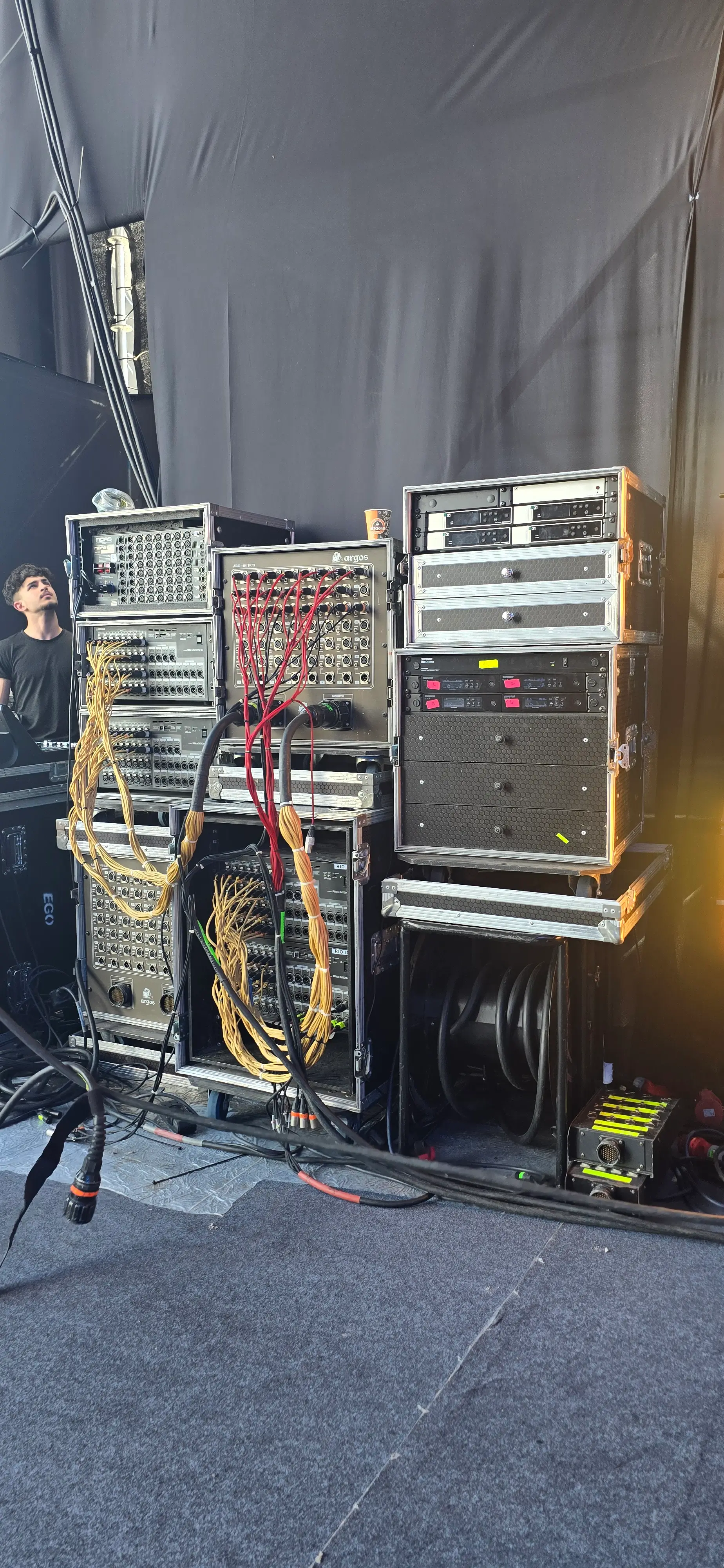
- Cables: List the connection type, required length and access needed for a replacement. Identify the connection being supported instead of using one generic “spare cable” entry.
- Location: Choose an accessible holding point and name the person who knows where the spares are. Communicate any changes to case locations.
Build a response and decision matrix
Use the table below as a project template. Replace the role labels with the names and contact details of the people assigned to the event. The person carrying out a technical intervention and the person authorised to change the programme do not have to be the same individual.
| Area | Decision trigger | Alternative to prepare | Owner to name |
|---|---|---|---|
| Microphone / speech | Loss of speech intelligibility or a recurring audio problem | Compatible spare microphone following the audio team's assessment; a short programme pause if needed | Named audio technician + programme decision owner |
| LED screen / content | A display or presentation issue affecting the content the audience needs to see | Technical assessment and panel intervention if access allows; an agreed screen-free segment, host-led pause or postponement of the affected presentation if needed | Named video technician + content/programme decision owner |
| Cable / connection | A fault the technical team identifies as a cable or connection issue | Correct spare cable; communicate the access and time needed for replacement | Named technician for the affected system |
| Power / programme | Loss of capacity reported by the power provider, or a power interruption | Apply the project-specific power scenario; assess whether to continue, pause or change the programme | Power system specialist + programme decision owner |
Make the trigger observable. What decision follows if speech cannot be understood, a presentation becomes unreadable or the technical team needs more time? Distinguish between a problem that can be addressed during a scheduled break and one that immediately affects the audience’s experience. Base any pause on the technical assessment and update the programme team as new information becomes available.
A concise update can follow this sequence: affected system → observed symptom → technical assessment → programme decision required → next update. Avoid presenting an unconfirmed cause or recovery time as established fact. This gives the client and stage team a consistent basis for deciding what to do next.
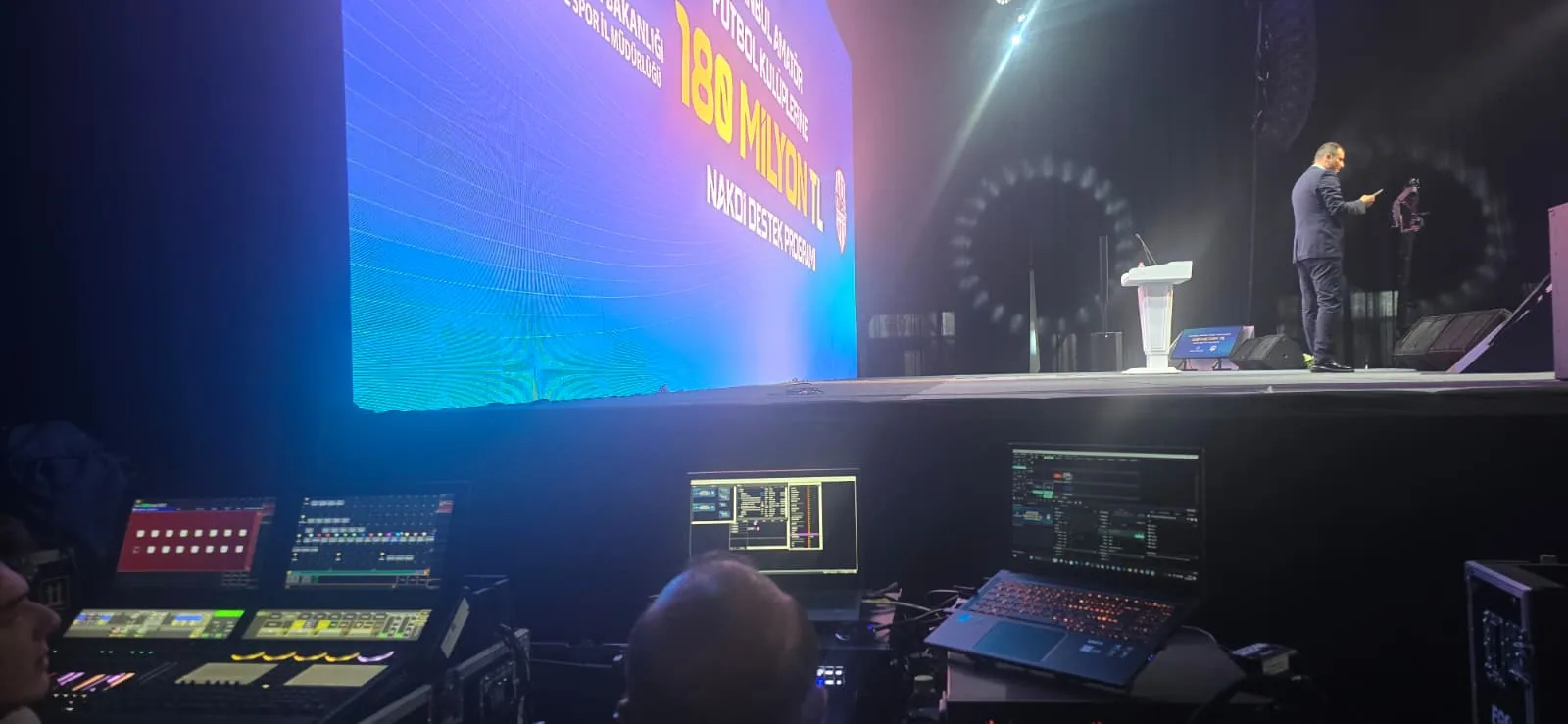
How should large events approach synchronised generators?
Sahneva prefers synchronised generators for large events. With suitable controls, parallel generators can share the load. Redundancy depends on the capacity remaining when a unit is unavailable and on the overall system design; synchronisation alone does not guarantee uninterrupted power. Cummins explains this distinction in its paralleling guide. Cummins: Paralleling Application Manual, section 2.3 (PDF).
Ask the power provider to describe the operating scenario for your event: which loads take priority, what changes if a unit becomes unavailable and who updates the programme team? Capacity calculations, controls and distribution design should be established by the qualified power team for that project.
Check whether the plan can actually be used
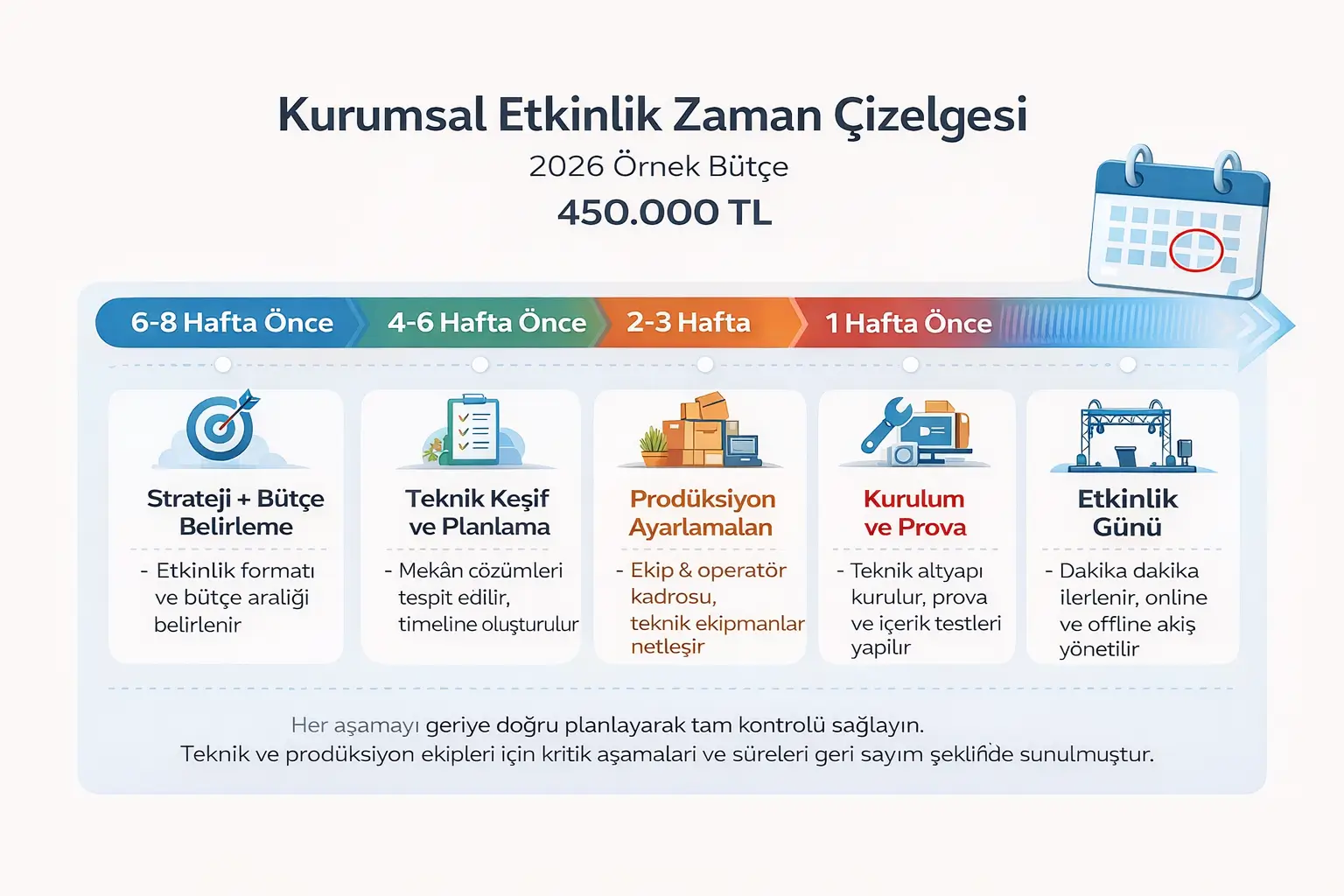
A tick beside “available” does not complete the preparation. Schedule checks that the team can carry out safely during rehearsal, and discuss the response sequence before the audience arrives. A short desk review can expose missing decisions without creating a fault in a working system.
- Match: Confirm which device or connection each spare supports with the relevant technical team.
- Access: Check the case location and the route to it, considering guest circulation and technical working space together.
- Communication: Name who reports the problem, who assesses it and who communicates the programme decision.
- Programme alternative: Agree options such as a short host-led pause or a revised content sequence with the client in advance.
- Current version: Share the revised running order and responsibility list with matching dates and version details.
After the event, record any spares used and equipment that needs checking before the next job. If a disruption occurred, review the observed symptoms, decisions and preparation that could be improved. Keep the discussion practical so the findings can inform the next equipment list and briefing.
Connect the response plan to the logistics brief
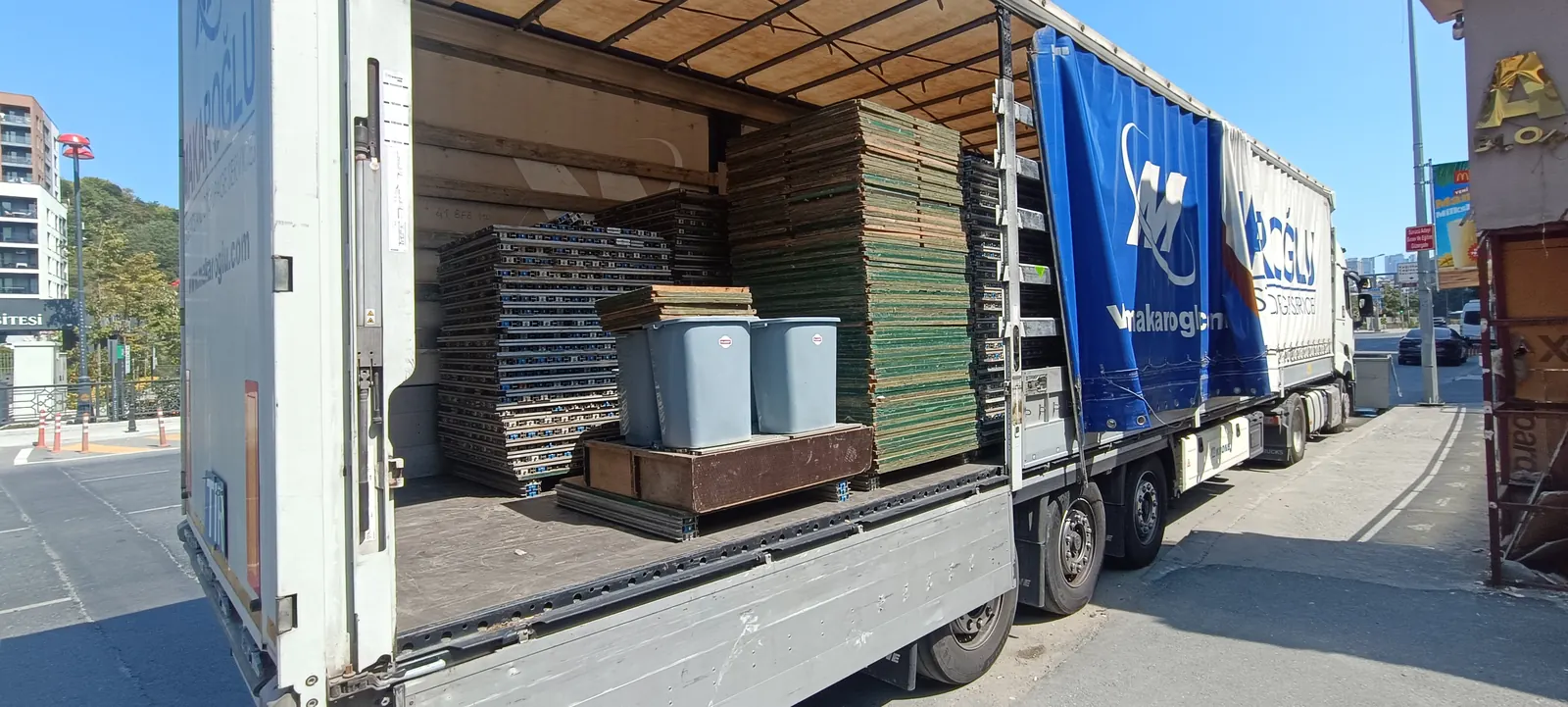
Spares must appear on the equipment list, be prepared in the warehouse and reach the site when they are needed. Our event logistics, load-in and load-out guide follows this process from quotation approval through crew travel, loading and dismantling. For venue access and technical infrastructure, use the technical site survey guide alongside it.
When discussing your backup requirements, share the date, venue, critical programme moments and available technical information. Reviewing LED screens and sound and lighting against that brief helps define the scope of a project-specific quotation.
Frequently asked questions
Which equipment does Sahneva carry as spares?
Sahneva prepares spare LED panels, microphones, cables and other items that can be replaced quickly. Compatibility, quantities and conditions of use should be clarified when agreeing the backup scope for each project.
Is having spare equipment enough for an event contingency plan?
Spares are one part of the plan. The team also needs to agree when they will be used, where they will be kept, who will carry out the intervention and who can approve a change to the programme.
Do synchronised generators guarantee uninterrupted power?
The term alone does not guarantee uninterrupted power; clarify the project-specific operating scenario with the power provider. Sahneva prefers synchronised generators for large events.
Who should make decisions during a technical disruption?
The project brief should name the person directing technical intervention and the person authorised to pause, change or resume the programme, with contact details. The client, organiser and technical team should agree these responsibilities before the event.
Define the technical preparation for your event
Share the key moments in your programme and your technical requirements so we can review the equipment, backup scope and site preparation for your project.
Share Your Event Brief