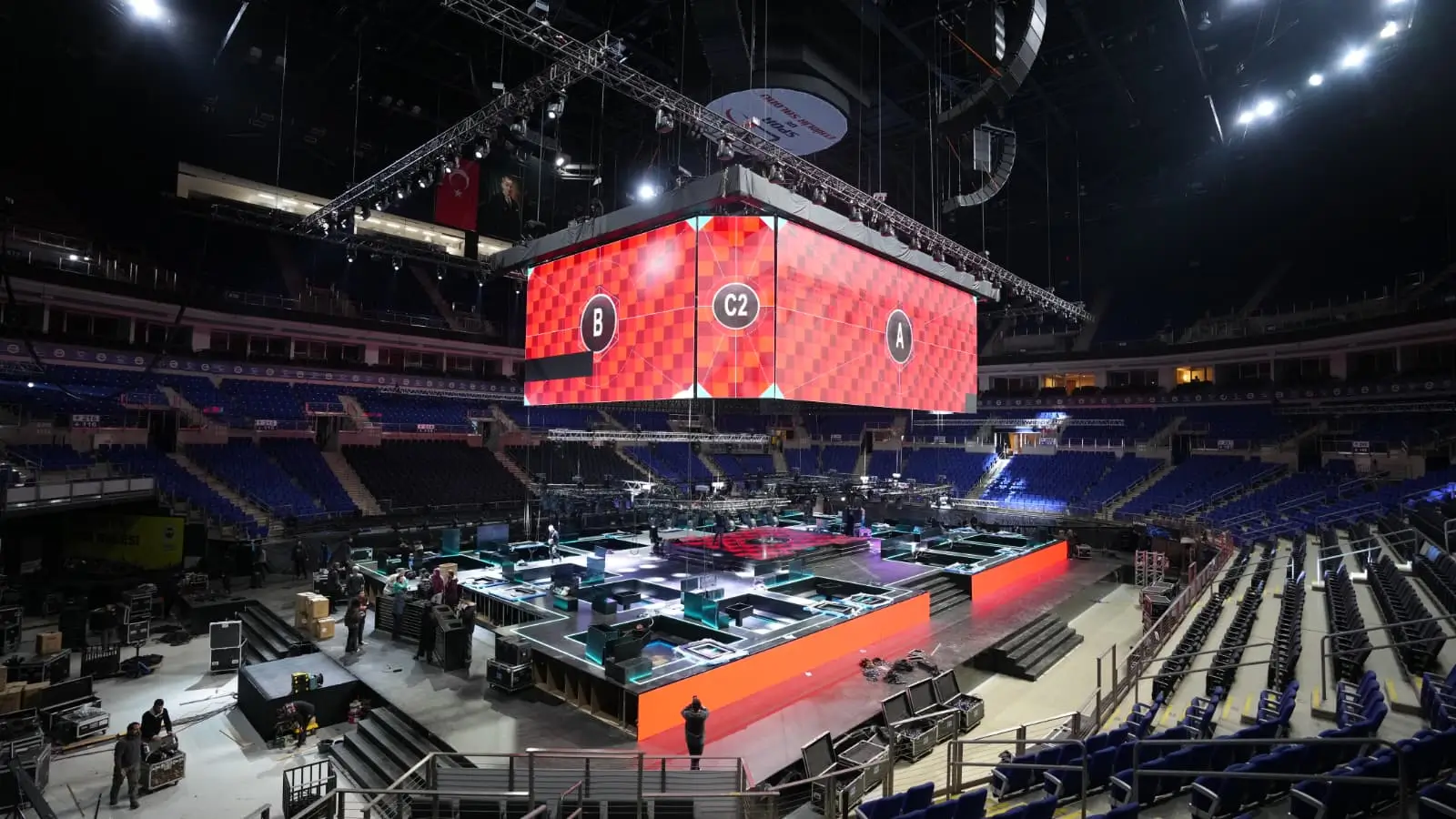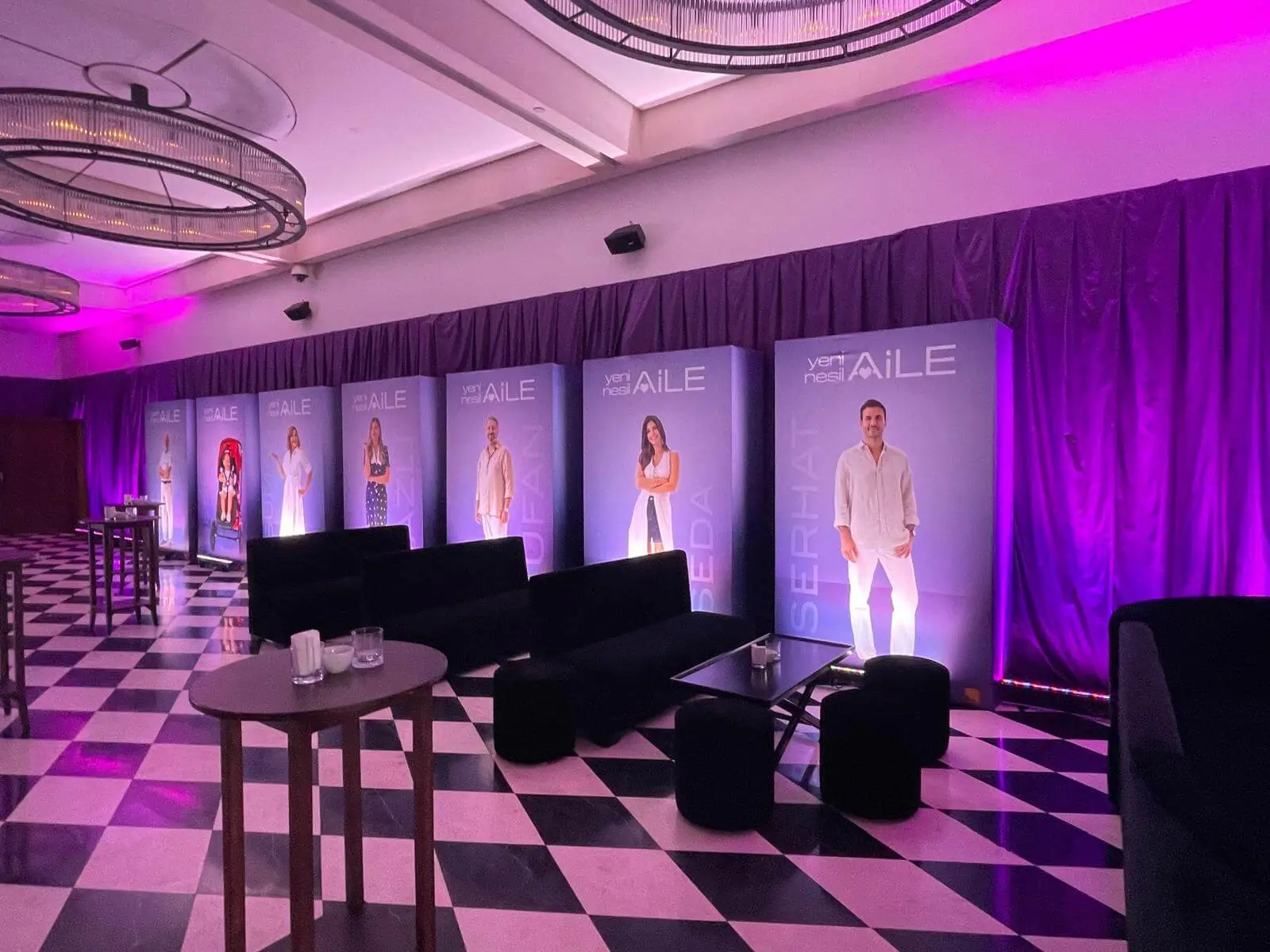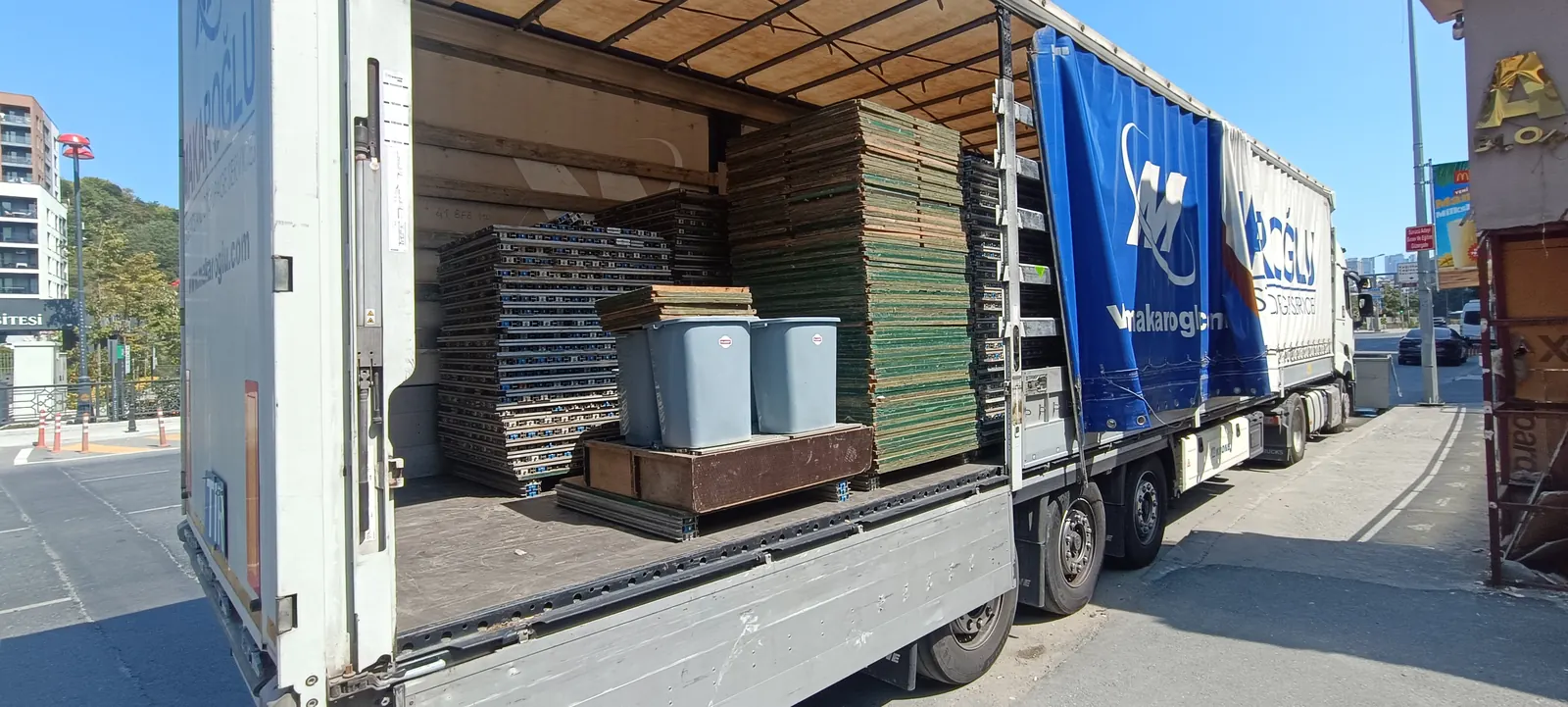
A truck arriving at the venue is only one part of an event logistics plan. The crew also needs to know which entrance to use, where equipment can be unloaded, who will receive it and when the working area will be available. A missing detail at that point can change the sequence for several suppliers.
This guide explains Sahneva's workflow from quotation approval through equipment loading. It then offers practical job brief and handover checklists for agencies, corporate event teams and venue managers to adapt to their own projects in Turkey. For the wider programme and budget framework, see our corporate event planning guide.
What happens at Sahneva after a quotation is approved?
Once the quotation is approved, the job details are posted to the group used by Sahneva's staff. Preparation starts from those shared details. If a site visit is needed, technical staff and the client visit the venue together to review the conditions that need to be clarified on site.
For work outside Istanbul, accommodation and crew travel arrangements are prepared. The logistics staff responsible for equipment transport make the transport arrangements. The technical team draws up the requirements list, and the person responsible for the warehouse prepares the equipment. The technical team and the warehouse lead then carry out loading together.
Each handover has a different purpose: deciding what is needed, preparing it and arranging its movement. A change to one piece of information can affect several of these preparations, so it should reach all the people concerned. Moving a setup date, for example, may require the vehicle booking, crew travel and hotel arrival date to be reviewed together.
Crew responsibilities: what does the next team need to know?
The table separates Sahneva's current division of work from suggested records that can support each handover. The last column is a planning aid for a project file to suit the scope of your event.
| Stage | Current responsibility | Suggested record |
|---|---|---|
| Sharing job details | Details of the approved job are posted to the staff group. | Current scope, dates, address and contact people. |
| Site visit, if needed | Technical staff and the client visit together. | Access route, equipment movement conditions and open questions. |
| Equipment transport | Logistics staff make the transport arrangements. | Vehicle details, entrance, access time and receiving contact. |
| Requirements list | The technical team lists the equipment required. | List date, revision and any additions. |
| Warehouse preparation | The warehouse lead prepares the equipment. | Items prepared, outstanding or awaiting clarification. |
| Loading | The technical team and warehouse lead load together. | A comparison of the current list and equipment loaded. |
What should the event job brief include?
A staff group is useful for quick updates, but collecting an address, a revised setup time and a new equipment request from separate messages can become difficult. Keep a current summary of the job so people can find the latest position without reconstructing it from the conversation. A practical brief can use these fields:
- Job and scope: event name, client or agency, approved services and requirements still to be confirmed.
- Location: full address, room or event area, vehicle entrance and venue contact.
- Timing: separate entries for warehouse departure, venue access, target setup completion, rehearsal, the event and dismantling.
- Crew and travel: assigned people, meeting point, travel arrangements and accommodation where needed.
- Equipment: the current requirements list, transport arrangements and any items awaiting confirmation.
- Changes: what changed, who confirmed it and which preparations it affects.
Use specific dates and times rather than phrases such as "in the evening" or "on setup day". Include the date when load-out continues past midnight. For international teams, state the shared time zone as well. If a task has no assigned person yet, keep it visible as an open item instead of treating it as covered.
Outside Istanbul: plan crew travel and equipment movement together
Accommodation, crew travel and equipment transport are connected. Distance from a hotel to the venue is only one factor: the crew's arrival time, hotel check-in, venue transfer and journey after dismantling must also fit the working schedule. Review the travel itinerary alongside the technical timetable before considering those arrangements complete.
If equipment and crew arrive at different times, agree who will receive the truck. Record vehicle arrival and permitted unloading time separately. Where several suppliers share a loading area, confirm their access sequence with the venue contact. Do not assume that scenic, staging and technical crews can all move equipment through the same narrow route at once.
Warehouse preparation starts with the current equipment list
The technical team creates the requirements list, while the warehouse prepares the equipment. Late additions therefore need to reach both. A request for "one more microphone" may also require the relevant connections and accessories to be checked. Record the item that changed, so the people preparing the equipment do not have to infer it from a revised total.
Sahneva carries spare LED panels, microphones, cables and other items that can be replaced quickly. Showing the required spares on the project's technical list helps include them in preparation and transport planning. Our event contingency planning guide looks at backup equipment and response planning in more detail.
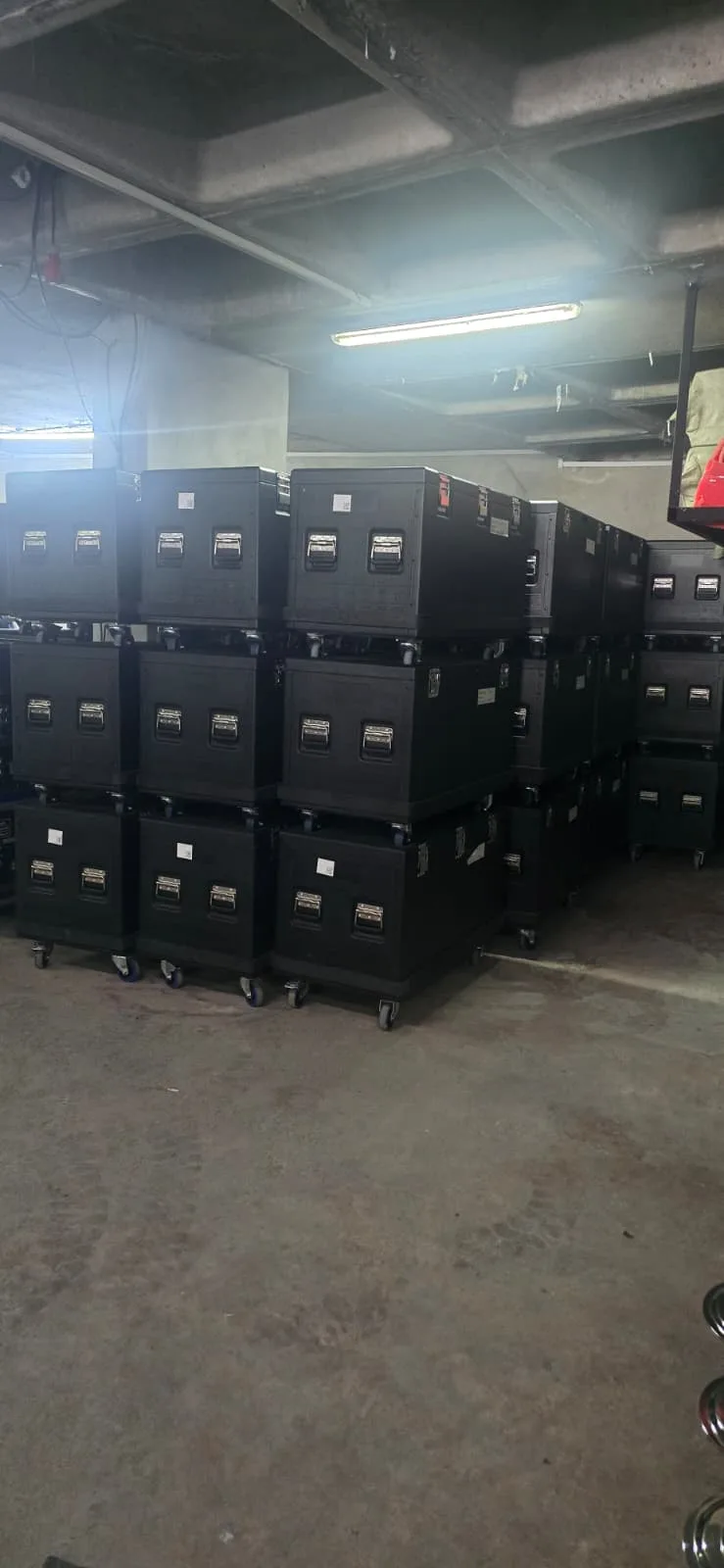
Loading plans should consider the order in which equipment will be needed on site as well as vehicle capacity. Share that sequence with the technical and logistics teams. The responsible transport team should assess safe loading and load securing; the final arrangement needs to account for those requirements and the unloading conditions at the venue.
Build the load-in schedule around tasks that depend on each other
The following sequence is a planning framework for the project's technical team and venue manager to adapt to the venue and programme. The useful question at each stage is which earlier task must be complete before the next team can start.
- Receive the working area: confirm the available space, routes, agreed layout and other suppliers' working times.
- Unload and distribute equipment: agree where items can be unloaded and held while installation takes place.
- Coordinate dependent installations: identify where flooring, staging, scenic work and technical systems need to wait for one another.
- Allow for technical checks and rehearsal: give setup completion and programme rehearsal separate time slots; communicate content and running-order changes to the relevant teams.
- Move into event operation: review outstanding work, on-site contacts and the current version of the programme together.
Assessing a venue's technical suitability is a separate piece of work. Where entrances, carrying routes or equipment positions are uncertain, use our technical site survey and planning guide to prepare the questions. Bring the agreed answers and any unresolved items back into the logistics plan.
Plan load-out and the return journey before event day
The end of the programme does not necessarily mean every crew can start dismantling. Guests leaving, venue conditions and other suppliers' work can affect the sequence. Confirm the earliest agreed start, vehicle access and final venue handover as separate points in the schedule.
Three short handover lists can help keep the project file useful on site:
Before leaving the warehouse
- Has the current technical list been compared with the equipment prepared and loaded?
- Have open items and changes reached everyone affected?
- Do the driver, technical crew and venue contact have each other's contact details?
- Are the entrance, times and travel arrangements recorded in the same current brief?
Before the event starts
- Are technical checks and rehearsal complete, and who is following up any open work?
- Has the current running order and any changed content reached the relevant teams?
- Are spare equipment locations and the contact for technical intervention clear?
- Have any changes affected the agreed dismantling time or return vehicle arrangements?
During load-out and the warehouse return
- Have collected equipment, cases and accessories been compared with the return list?
- Has the warehouse lead been told about missing items or equipment requiring inspection?
- Does any outstanding venue handover item have a named person and a next step?
- Are equipment checks that may affect preparation for the next job clearly recorded?
Frequently asked questions about event logistics
When does event logistics planning begin?
In Sahneva's workflow, job details are posted to the staff group after the quotation is approved. Any required site visit, equipment preparation, transport and travel arrangements then develop from that information. Confirming venue access conditions and working times at this stage supports the planning process.
Is a technical site visit required for every event?
When a site visit is needed, Sahneva's technical staff and the client visit the venue together. The need is assessed against the information still required about equipment access, carrying routes, technical placement and venue conditions.
Who prepares the equipment list and loads the vehicle?
Sahneva's technical team draws up the requirements list, and the warehouse team prepares the equipment. Loading is carried out jointly by the technical team and the person responsible for the warehouse. Logistics staff arrange the equipment transport.
Why should load-out be planned before the event?
The end of the programme, permission to begin dismantling and the vehicle's access time may be different. Agreeing the venue handover conditions, work sequence and return transport in advance reduces uncertainty after the event.